How to Start a Gratitude Journal Practice in 2025: A Step-by-Step Guide
Starting a gratitude journal practice is one of the most effective ways to cultivate positivity, reduce stress, and improve overall well-being. A gratitude journal practice involves regularly writing down the things you’re thankful for, helping you shift focus from what’s lacking to what’s abundant in your life. Whether you’re new to journaling or looking to refine your routine, this guide will walk you through everything you need to know to establish a meaningful gratitude journal practice in 2025.
Why a Gratitude Journal Practice Matters
Research has shown that practicing gratitude can lead to significant mental and emotional benefits. Studies indicate that people who maintain a gratitude journal experience lower levels of anxiety, improved sleep, and greater life satisfaction. By acknowledging the good in your life, you train your brain to recognize positivity even in challenging situations. A consistent gratitude journal practice can also strengthen relationships, as expressing thankfulness fosters deeper connections with others.
Choosing the Right Journal for Your Gratitude Practice
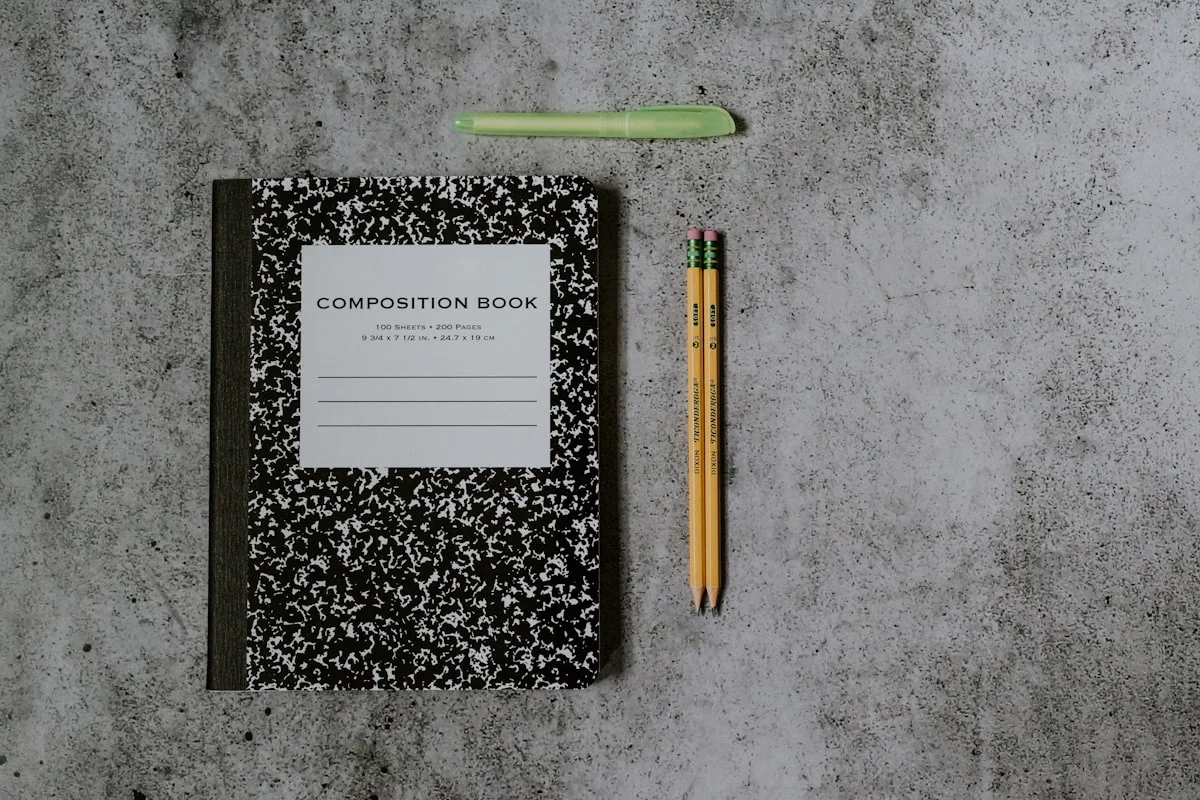
The first step in establishing a gratitude journal practice is selecting a journal that resonates with you. Some people prefer a beautifully bound notebook, while others opt for a simple digital app. The key is to choose a format that feels inviting and easy to use. If you enjoy writing by hand, a physical journal with smooth pages and a comfortable size will encourage daily use. For those who prefer technology, apps like Day One or Gratitude can provide reminders and prompts to keep you on track.
Setting Up Your Gratitude Journal Practice
Once you’ve chosen your journal, the next step is to create a structure that works for you. Decide whether you’ll write daily, weekly, or whenever you feel inspired. Many people find that a daily gratitude journal practice helps build a strong habit. Begin by setting aside a specific time—perhaps in the morning to start your day positively or at night to reflect on the day’s blessings. Consistency is more important than frequency, so choose a schedule you can realistically maintain.
What to Write in Your Gratitude Journal
If you’re unsure where to start, begin by listing three to five things you’re grateful for each day. These can be simple pleasures, like a warm cup of coffee, or significant milestones, like a promotion at work. Over time, you can expand your entries to include deeper reflections, such as appreciating personal growth or the support of loved ones. The goal of a gratitude journal practice isn’t to ignore life’s difficulties but to balance them with recognition of the good.
Overcoming Common Challenges in Gratitude Journaling
One of the biggest hurdles in maintaining a gratitude journal practice is avoiding repetition. It’s easy to list the same things every day, but digging deeper can keep your practice fresh. Try focusing on specific moments—like a kind gesture from a stranger—rather than generalities. Another challenge is staying motivated. If you miss a day, don’t be hard on yourself. The beauty of a gratitude journal practice is that it’s flexible and forgiving. Simply pick up where you left off.
Enhancing Your Gratitude Journal Practice with Prompts
If you ever feel stuck, gratitude prompts can spark inspiration. Questions like “What made me smile today?” or “Who am I thankful for, and why?” can guide your reflections. Some people also incorporate visual elements, such as sketches or photos, to make their journal more engaging. Another powerful technique is writing gratitude letters—whether you send them or keep them private—to deepen your appreciation for others.
The Long-Term Benefits of a Gratitude Journal Practice
Over time, a gratitude journal practice can rewire your brain to focus on positivity, making it easier to find joy in everyday moments. Many journalers report increased resilience, better emotional regulation, and a stronger sense of purpose. By making gratitude a habit, you create a lasting tool for navigating life’s ups and downs with greater ease and optimism.
Final Thoughts on Starting Your Gratitude Journal Practice
Beginning a gratitude journal practice in 2025 is a simple yet transformative step toward a happier, more mindful life. Whether you write a few sentences or detailed entries, the act of acknowledging gratitude can have profound effects on your mental and emotional well-being. Remember, there’s no right or wrong way to journal—what matters is that you take the time to recognize and celebrate the good in your life.
As you embark on this journey, be patient with yourself. Like any habit, a gratitude journal practice takes time to develop. But with consistency and intention, you’ll soon find that gratitude becomes a natural and rewarding part of your daily routine.
What Research Actually Says About Gratitude
The original guide says research has shown that gratitude journaling improves wellbeing. The best-known study is by psychologists Robert Emmons and Michael McCullough, published in 2003. They found that people who wrote down things they were grateful for each week reported better mood and more energy than people who wrote about hassles. Later studies have found similar results, though the effects are modest and not the same for everyone. Gratitude journaling is a helpful habit, not a treatment for anxiety or depression. If low mood lasts more than two weeks, talk to your doctor.
30 Prompt Ideas to Keep You Going
| Prompt Type | Example Prompts |
|---|---|
| People | Who helped you this week? Who makes you laugh? |
| Small pleasures | What was the best meal you ate today? What sound do you love? |
| Body and health | What did your body let you do today? What are you glad you can do? |
| Growth | What did you learn this week? What challenge made you stronger? |
| Nature | What did you notice outside today? What season do you love most? |
Pick one prompt each day and write a few sentences. You do not need to write a lot. Three honest sentences are better than a page of forced praise.
Gratitude Letters: A Powerful Extra Step
Once a month, try writing a gratitude letter to someone who helped you. Emmons and McCullough’s research found that writing and delivering a gratitude letter can lift mood for weeks. The letter does not need to be long. Say what the person did, how it affected you, and why it mattered. You can send it, read it aloud, or simply keep it for yourself. Many people find that writing to others is more powerful than writing only for themselves.
Paper Versus Apps: Which Journal Works Best?
Paper journals work well for people who like to write by hand and who want a break from screens. A simple notebook is enough, or try the Five Minute Journal, a guided notebook with morning and evening prompts. Apps such as Day One and Gratitude offer reminders and prompts, and they keep your entries in one place. Choose the format you will actually use. The best journal is the one you open every day.
Frequently Asked Questions
What should I write in a gratitude journal?
Start by listing three to five things you are grateful for each day. They can be simple, like a warm cup of coffee, or significant, like a promotion at work.
How often should I write in a gratitude journal?
Daily writing builds the strongest habit, but weekly writing also helps. Choose a schedule you can keep, and be consistent.
Does gratitude journaling really work?
Research by Emmons and McCullough found that people who wrote about gratitude each week reported better mood and more energy. The effects are modest and not the same for everyone.
What is a gratitude letter?
It is a letter to someone who helped you, saying what they did and why it mattered. Research found that writing and delivering one can lift mood for weeks.
Should I use a paper journal or an app?
Either works. Paper is good for people who want a break from screens. Apps such as Day One and Gratitude offer reminders and prompts. Choose the format you will use every day.
Disclaimer: This guide gives general information only. It is not a substitute for medical care. Talk to your own doctor if low mood lasts more than two weeks.
Last Updated: 6 November 2026