The best plant-based protein powder for busy professionals is a blend of pea and rice protein, like the one in Transparent Labs Organic Vegan Protein, because it delivers a complete amino acid profile with 25 grams of protein in Vanilla and 26 grams in Chocolate.Why Your Current Protein Powder is Failing You You’re not just looking for protein. You’re looking for a 90-second nutritional solution that doesn’t taste like punishment. The core problem most professionals face isn’t a lack of options, it’s a mismatch between marketing promises and morning reality. Pea protein contains all nine essential amino acids, but it is lower in methionine, so a single-source pea powder gives you less of that amino acid than a pea and rice blend. This isn’t about bodybuilding; it’s about reliable, efficient fuel that supports cognitive function and satiety without digestive drama. Forget “plant-based” as a monolithic category. The spec that actually matters is the protein blend ratio. Combining pea protein, which is rich in lysine, with rice protein, which supplies methionine, gives you a complete amino acid profile. Sensory proof is critical. The sticker price is a lie. To compare prices, divide the price of the tub by the number of servings on the label. That gives you the cost per serving..Stevia can taste bitter to some people, and sensitivity to its bitter aftertaste varies from person to person and has a genetic basis. Then there’s the fiber bomb. Read more about How to gain weight faster. CON: Even the best powders can leave a faint residue in shaker bottles, requiring immediate rinsing to avoid a permanent smell. Buy a premium pea/rice blend if: Your morning is a non-negotiable sprint and you need a no-fuss, stomach-friendly protein source that mixes instantly and tastes inoffensive. The marginal cost over cheaper options is worth the time and reliability. Transparent Labs Organic Vegan is my top pick for its flawless mixability and clean flavor profile. Avoid it and opt for a ready-to-drink (RTD) shake or whole foods if: You absolutely cannot stand any “powdery” taste or texture, no matter how slight. Or, if your primary goal is whole-food nutrition and you have the 10 minutes to scramble some tofu or beans. Also, if you’re on an extreme budget, a bag of unflavored NOW Pea Protein and a powerful blender is a functional, if less palatable, alternative. Look. This isn’t a miracle product. But for the professional who needs to shortcut a healthy breakfast without sacrificing nutrition, a well-chosen plant-based protein powder is the single most efficient tool in your pantry. Just don’t buy the one with the trendy packaging. Yes, provided it’s a complete protein. Modern blends combining pea and rice protein offer a full amino acid profile comparable to whey. The International Society of Sports Nutrition recommends that a serving of protein for muscle building should contain 700 to 3,000 mg of leucine, which is 0.7 to 3 grams. It can, but often due to additives, not the protein itself. High amounts of fiber (like inulin) or sugar alcohols (xylitol, erythritol) used for sweetness are common culprits. Opt for a powder with a simple ingredient list—just protein, cocoa, and a natural sweetener like stevia or monk fruit—to minimize digestive issues. Use the “liquid first” method. Pour 8-10 oz of cold almond milk or water into your shaker before adding the powder. The liquid creates a vortex when shaken, pulling the powder in evenly. Pour the liquid in first, then add the powder, and shake well before you drink it. Yes. Heat changes the shape of protein, which is called denaturation, but it does not remove the amino acids, so the protein keeps its nutritional value. There is no fixed best time of day. Use it when it fits your routine, such as in the morning or after a workout. Disclaimer: This guide shares general information only and gives no medical advice. Diet and supplement results vary from person to person. Check the official pages before you act. Asanpapa24 takes no role in supplement choices. Last Updated: 6 November 2026The Detailed Breakdown: What Actually Works Before 9 AM
For muscle building, the International Society of Sports Nutrition gives a general recommendation of 20 to 40 grams of protein per serving. The Orgain Organic Plant-Based Protein Powder hits 21 grams, but its texture is thicker—better for a blender smoothie than a quick shaker. NOW Sports Pea Protein is a pea protein isolate with 24 grams of protein per serving.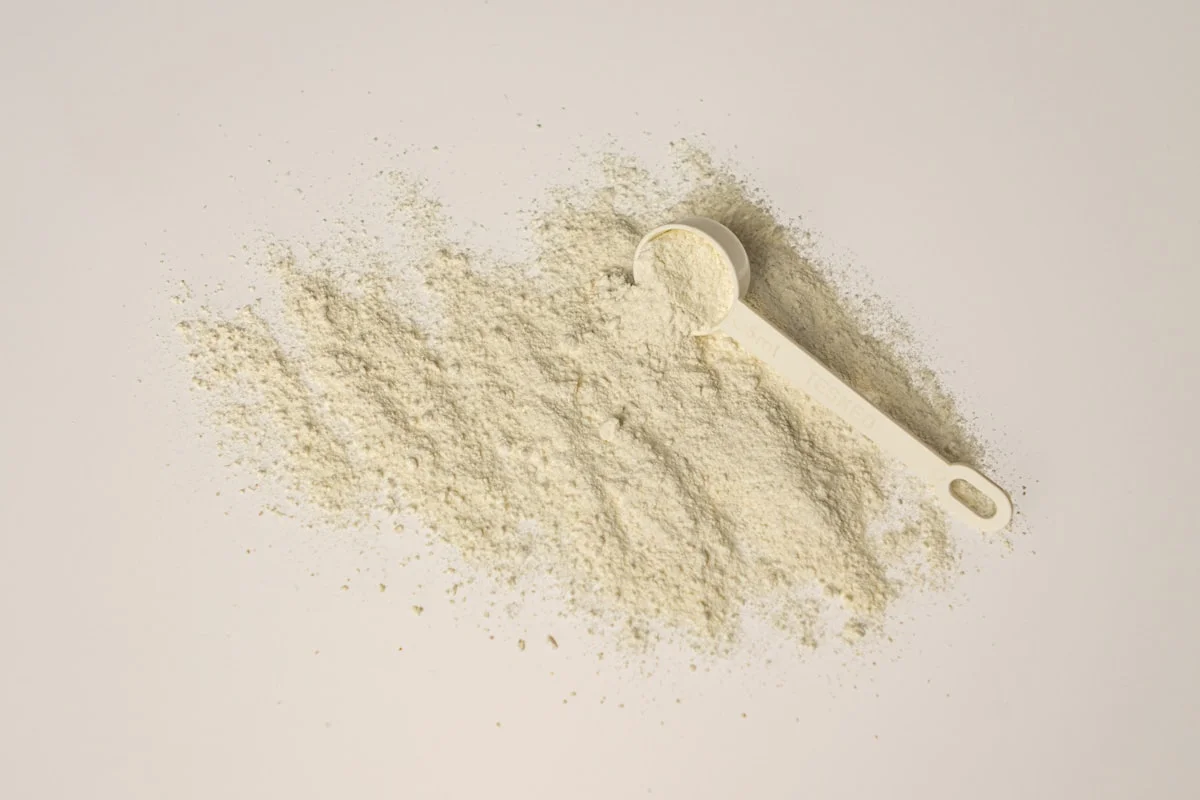
Hidden Costs and What the Brands Won’t Tell You
Head-to-Head: The Top Contenders for a Professional’s Kitchen
Brand & Product Protein (g) Key Blend Transparent Labs Organic Vegan 25g Vanilla, 26g Chocolate Pea, Rice Orgain Organic Plant-Based 21g Pea, Brown Rice, Chia NOW Sports Pea Protein 24g Pea protein isolate Garden of Life Raw Organic 22g Pea, sprouted grains, seeds and legumes Specific Pros and Cons You Won’t Find on Amazon
Who Should (and Shouldn’t) Buy This
Frequently Asked Questions
Is plant-based protein powder as effective as whey for building muscle?
Does plant protein powder cause bloating or gas?
How do I make sure my plant-based protein powder doesn’t clump?
Can I use plant-based protein powder for baking or cooking?
What’s the best time of day to take plant-based protein powder?
References & Sources