# Energy-Efficient Home Appliances for a Small Apartment in 2025
Why Energy-Efficient Appliances Matter for Small Spaces
Living in a small apartment doesn’t mean sacrificing comfort or sustainability. In fact, choosing energy-efficient appliances can help you save money, reduce your carbon footprint, and maximize limited space. With rising energy costs and growing environmental concerns, investing in energy-efficient appliances is a smart move for any urban dweller. These appliances consume less electricity, lower utility bills, and often come with compact designs perfect for tight living spaces.
Modern technology has made it easier than ever to find high-performing, eco-friendly appliances that fit seamlessly into small apartments. Whether you’re upgrading your kitchen, laundry setup, or cooling system, selecting the right energy-efficient appliances can make a significant difference in your daily life. This guide will explore the best options available in 2025, helping you make informed decisions for a greener, more cost-effective home.
Top Energy-Efficient Kitchen Appliances for Small Apartments
When it comes to small kitchens, every inch counts. Compact yet powerful appliances are essential, and opting for energy-saving models ensures efficiency without compromise. Refrigerators are one of the biggest energy consumers in any home, but newer models with inverter compressors and smart temperature controls drastically reduce power usage. Look for ENERGY STAR-certified models, which meet strict efficiency guidelines set by the U.S. Environmental Protection Agency.
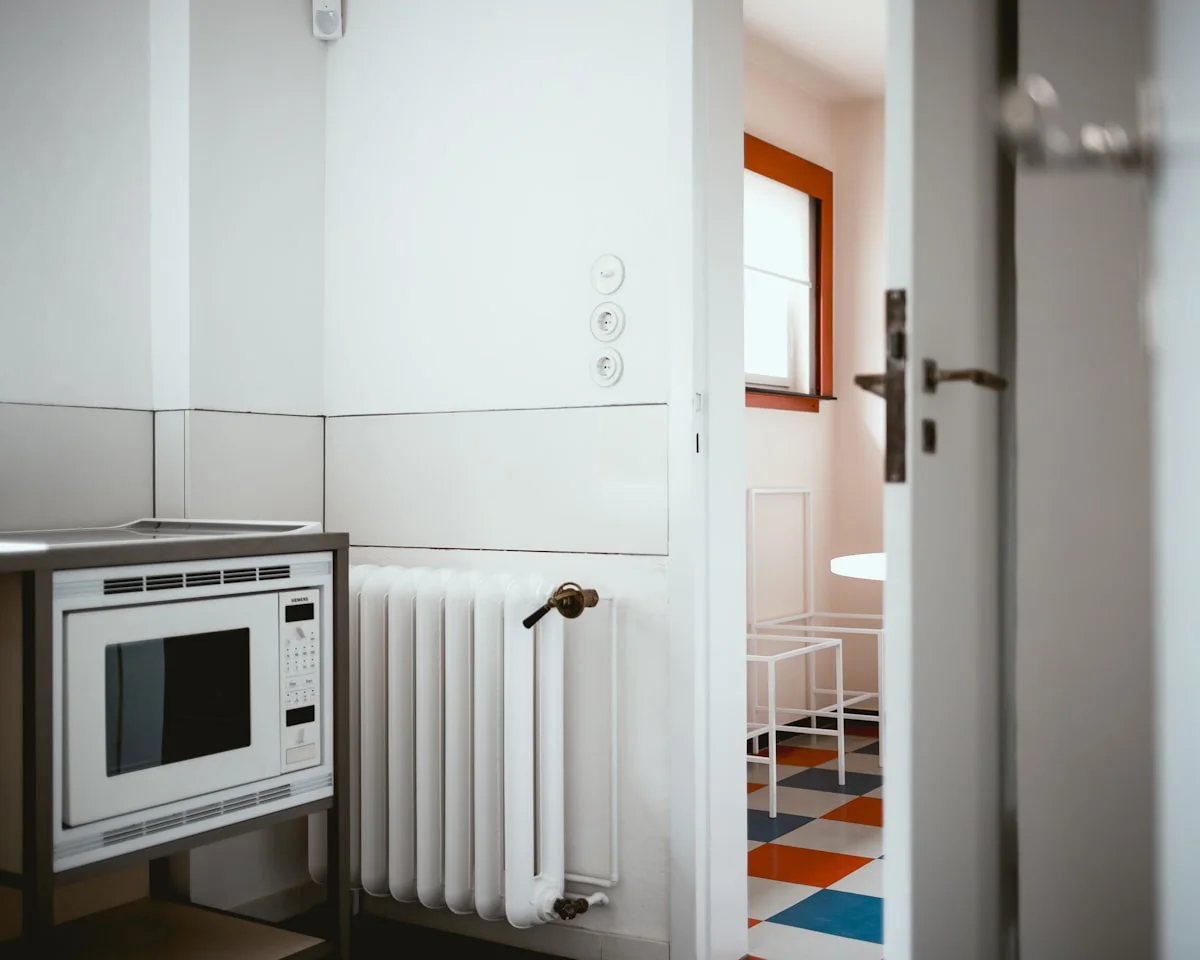
Another must-have is an induction cooktop, which uses electromagnetic technology to heat pots and pans directly, wasting far less energy than traditional gas or electric stoves. Induction cooking is not only faster but also safer, as the surface stays cool to the touch. Pair it with a convection microwave, which combines microwave speed with oven-like baking capabilities, reducing the need for multiple bulky appliances. These space-saving, energy-efficient solutions keep your kitchen functional and eco-friendly.
Smart Laundry Solutions for Energy-Conscious Renters
Laundry can be a challenge in small apartments, but compact, high-efficiency washers and dryers make it easier. Front-loading washing machines use less water and energy than top-loading models, and many now feature smart sensors that adjust cycles based on load size. Heat pump dryers are another excellent innovation, recycling hot air instead of venting it out, cutting energy use by up to 50% compared to conventional dryers.
For those with very limited space, all-in-one washer-dryer combos are a game-changer. These units wash and dry clothes in the same drum, eliminating the need for separate machines. While they may take longer to dry clothes, their energy-saving benefits and space efficiency make them ideal for studio apartments. Always check for ENERGY STAR ratings to ensure you’re getting the most efficient model available in 2025.
Climate Control: Energy-Efficient Cooling and Heating
Maintaining a comfortable temperature in a small apartment doesn’t have to come with high energy bills. Ductless mini-split air conditioners are a fantastic option, providing targeted cooling and heating without the energy loss associated with central HVAC systems. These units are highly efficient, with inverter technology that adjusts power usage based on demand, reducing waste.
If you prefer portable solutions, look for evaporative coolers or ceramic space heaters with programmable thermostats and eco-modes. Smart thermostats can also help optimize energy use by learning your schedule and adjusting temperatures automatically. Pairing these devices with proper insulation—such as thermal curtains or weather stripping—can further enhance efficiency, keeping your apartment comfortable year-round without excessive energy consumption.
Small but Mighty: Energy-Saving Electronics and Lighting
Beyond major appliances, smaller electronics and lighting choices can also contribute to energy savings. LED bulbs use up to 80% less energy than incandescent lights and last significantly longer. Smart plugs and power strips help eliminate phantom energy drain by cutting power to devices when they’re not in use.
When selecting entertainment systems or home office equipment, opt for ENERGY STAR-rated TVs, laptops, and monitors. Many modern devices now include low-power modes and automatic shut-off features to minimize energy waste. Even small changes, like using a laptop instead of a desktop computer, can reduce electricity usage over time. Every watt saved adds up, making your small apartment both eco-friendly and budget-friendly.
Final Thoughts: Building a Sustainable Small Space
Choosing energy-efficient appliances for your small apartment is a win-win: you save money while reducing environmental impact. In 2025, manufacturers continue to innovate, offering compact, high-performance appliances designed for sustainability. From smart kitchen gadgets to advanced climate control systems, there are more options than ever to create an eco-conscious home without sacrificing convenience.
Before making any purchases, always compare energy ratings, read reviews, and consider your specific needs. Investing in quality, efficient appliances now will pay off in the long run through lower utility bills and a smaller carbon footprint. With the right choices, even the tiniest apartment can become a model of energy efficiency and modern living.
How to Read an ENERGY STAR Label
ENERGY STAR is a US government program run by the Environmental Protection Agency. A product with the ENERGY STAR label meets set efficiency rules for its type. The label often shows how much energy the product uses in a year. Compare the yellow EnergyGuide label, which shows the estimated yearly energy use and cost. A lower number means lower running costs. Do not compare the yearly cost of a fridge with that of a washer. Compare the same type of product. A product that uses less energy can cost more to buy but less to run. Work out the payback time: divide the extra purchase cost by the yearly saving. If the payback time is shorter than the product’s life, the efficient model is usually the better deal.
| Appliance | What to look for | Typical saving vs. old model |
|---|---|---|
| Fridge | ENERGY STAR, inverter compressor | Can use 15% less energy or more |
| Washer | Front load, high spin speed | Uses less water and less drying energy |
| Dryer | Heat pump, moisture sensor | Heat pump can use far less energy |
| Air conditioner | High SEER or EER rating | Higher rating means lower running cost |
| LED lighting | ENERGY STAR, warm white | Uses about 75% less energy than old bulbs |
Fridge Tips for a Small Apartment
A fridge runs all day, so it is the biggest energy user in many apartments. Choose the smallest fridge that fits your needs. A fridge that is too large wastes energy cooling empty space. Keep the fridge full, but not overstuffed, so air can move. Set the fridge to about 37F and the freezer to 0F. Check the door seals. Close the door on a piece of paper. If the paper slides out easily, the seal may need replacing. Keep the fridge away from the oven and from direct sun. Clean the coils at the back or underneath twice a year. Dust on the coils makes the fridge work harder. Do not put hot food straight into the fridge. Let it cool first.
Laundry: Wash Cold and Skip the Dryer When You Can
Most of a washer’s energy goes to heating water. Wash in cold water when you can. Modern detergents clean well in cold water. Use the shortest cycle that gets clothes clean. Wash full loads. A front-load washer uses less water and spins clothes drier, so the dryer runs for less time. A heat pump dryer uses far less energy than a standard dryer, but it costs more to buy and takes longer to dry. If you have space, use a drying rack for light items. It costs nothing and saves energy. Clean the dryer lint filter after each load. A clogged filter makes the dryer work harder and can be a fire risk.
Rebates and Tax Credits in the USA
Check for rebates before you buy. Your electric utility may offer a rebate for an ENERGY STAR appliance. The US government may offer tax credits for some efficient home improvements, such as heat pumps. Rules change often, so check the current offers on energystar.gov and on the DSIRE database of state incentives. Keep your receipt and the product’s model number. Some rebates need the old appliance to be recycled. Ask the retailer if they take the old appliance away for recycling. A rebate can turn an efficient model from a luxury into the cheapest choice over its life.
Frequently Asked Questions
What does ENERGY STAR mean for appliances?
It means the product meets efficiency rules set by the US Environmental Protection Agency. Check the yellow EnergyGuide label to compare the estimated yearly energy use and cost for the same type of product.
What is the most energy-efficient fridge for a small apartment?
Choose the smallest ENERGY STAR fridge that fits your needs, with an inverter compressor. Keep it full but not overstuffed, set it to about 37F, and clean the coils twice a year.
Do heat pump dryers save energy?
Yes. A heat pump dryer recycles hot air instead of venting it out, so it can use far less energy than a standard dryer. It costs more to buy and takes longer to dry clothes.
Should I wash clothes in cold water?
Yes, when you can. Most of a washer’s energy goes to heating water. Modern detergents clean well in cold water. Use a full load and the shortest cycle that gets clothes clean.
Are there rebates for energy-efficient appliances in the USA?
Yes, in many places. Your electric utility may offer a rebate for an ENERGY STAR appliance. The US government may offer tax credits for some efficient home improvements. Check energystar.gov and the DSIRE database for current offers.
Disclaimer: This guide gives general information about energy-efficient appliances for small apartments in the USA. Energy use, prices, rebates, and tax credits differ by product and location and can change. Check the EnergyGuide label and the current offers on energystar.gov before you buy.
Last Updated: 6 November 2026