Phone battery drain is one of the most frustrating issues smartphone users face in 2025. Whether you own an iPhone, Android, or another device, a rapidly depleting battery can disrupt your day. Understanding what causes phone battery drain is the first step to optimizing your device’s performance and extending its lifespan. In this guide, we’ll explore the top reasons behind fast battery depletion and provide actionable solutions to keep your phone running longer.
Why Is My Phone Battery Draining So Fast?
Several factors contribute to phone battery drain, from software issues to hardware limitations. One of the biggest culprits is screen brightness. Modern smartphones feature high-resolution displays that consume significant power, especially at maximum brightness. If you keep your screen at 100% brightness or use live wallpapers, your battery will deplete much faster. Reducing brightness or enabling auto-brightness can help conserve power.
Another major factor is background app activity. Many apps continue running in the background, refreshing content, tracking location, or sending notifications—all of which drain battery life. Social media apps like Facebook, Instagram, and TikTok are notorious for this. Closing unused apps or restricting background activity in your phone’s settings can significantly reduce phone battery drain.
How Apps and Software Affect Battery Life
Outdated software is another common cause of phone battery drain. Operating system updates often include optimizations that improve battery efficiency. If you’re running an older version of iOS or Android, your phone may not be utilizing power-saving features introduced in newer updates. Always ensure your device is running the latest software to maximize battery performance.
Battery-intensive apps also play a significant role. Streaming services like Netflix and YouTube, gaming apps, and GPS-based navigation apps (such as Google Maps) consume large amounts of power. If you notice your battery dropping rapidly after using these apps, consider lowering video resolution, reducing screen time, or downloading content for offline use instead of streaming.
Hardware Issues That Accelerate Phone Battery Drain
While software issues are often the primary cause of battery problems, hardware can also be a factor. Over time, lithium-ion batteries degrade, losing their ability to hold a charge. If your phone is more than two or three years old, its battery may simply be worn out. Most smartphones in 2025 have battery health indicators—check this in your settings to see if a replacement is needed.
Extreme temperatures also impact battery performance. Exposing your phone to excessive heat (like leaving it in a hot car) or extreme cold can cause temporary or permanent battery damage. Always store your device in a moderate-temperature environment to prevent unnecessary phone battery drain.
Network and Connectivity Problems That Waste Battery
Weak cellular signals force your phone to work harder to maintain a connection, which drains the battery faster. If you’re in an area with poor reception, your device constantly searches for a stronger signal, consuming extra power. Switching to airplane mode in low-coverage areas or using Wi-Fi instead of mobile data can help preserve battery life.
Bluetooth, Wi-Fi, and GPS are other connectivity features that contribute to phone battery drain when left on unnecessarily. If you’re not using wireless headphones, turn off Bluetooth. Similarly, disable GPS when not navigating, and switch off Wi-Fi if you’re relying on mobile data. These small adjustments can make a noticeable difference in battery longevity.
How to Fix Phone Battery Drain in 2025
To combat phone battery drain, start by identifying power-hungry apps. Both iOS and Android provide battery usage statistics in settings, showing which apps consume the most energy. Uninstall or limit usage of these apps if possible. Enabling low-power mode is another effective strategy—this feature reduces background activity and optimizes performance to extend battery life.
Another tip is to disable unnecessary notifications. Constant alerts wake up your screen and trigger background processes, both of which drain the battery. Review your notification settings and disable non-essential alerts. Additionally, consider using dark mode if your phone has an OLED screen, as darker pixels consume less power than bright ones.
Future-Proofing Your Phone’s Battery Life
As technology evolves, so do battery-saving techniques. In 2025, many smartphones include AI-driven battery optimization features that learn your usage patterns and adjust power distribution accordingly. Enabling these smart features can help minimize phone battery drain over time. Additionally, investing in a high-quality charger and avoiding cheap, uncertified alternatives will prevent long-term battery damage.
Finally, if your phone’s battery health is below 80%, consider getting it replaced. Most manufacturers and third-party repair shops offer battery replacement services that can restore your device’s performance. By addressing both software and hardware factors, you can enjoy longer battery life and avoid the frustration of constant recharging.
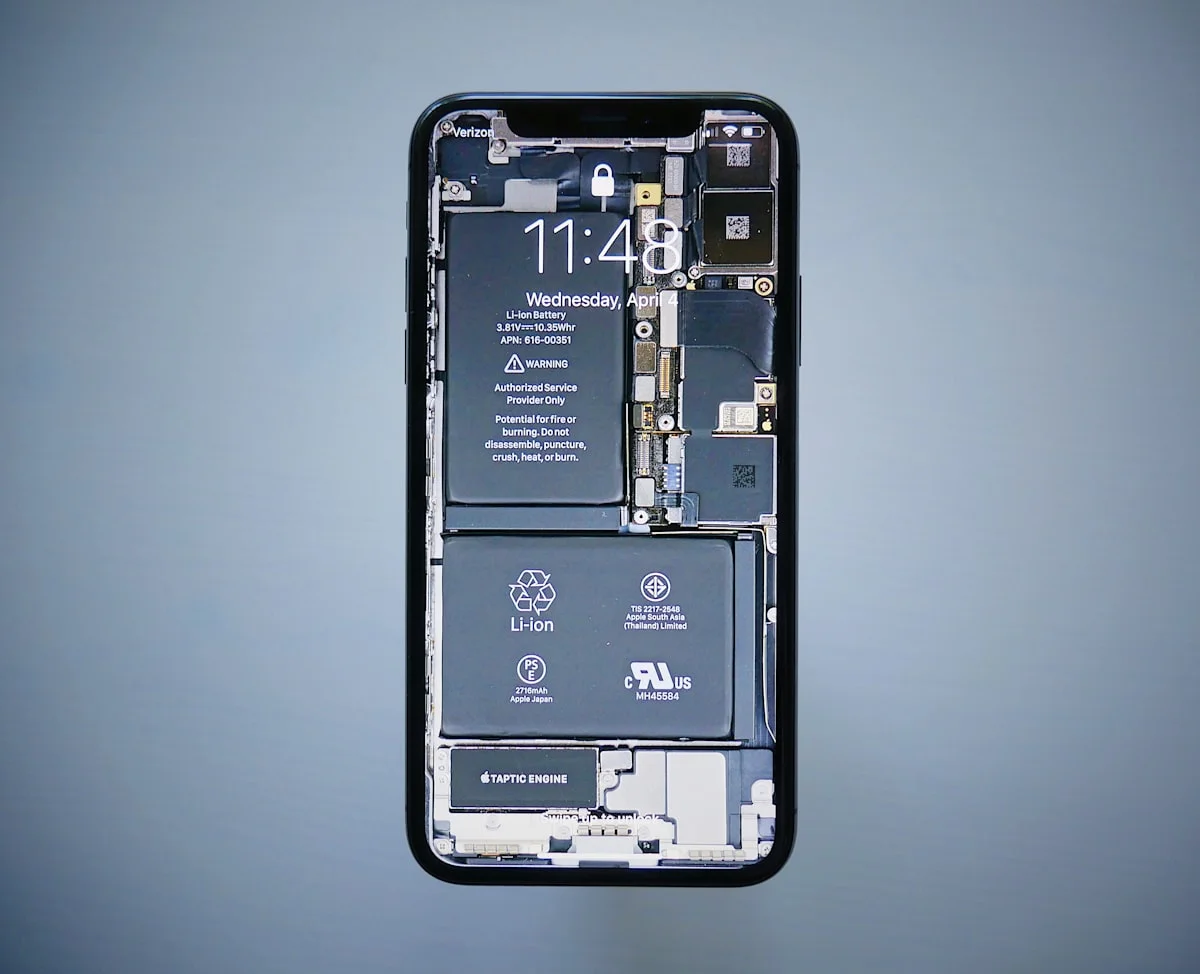
Phone battery drain is a common issue, but with the right knowledge, you can significantly improve your device’s efficiency. By managing screen brightness, optimizing app usage, updating software, and maintaining battery health, you’ll keep your phone running smoothly throughout the day. Implement these strategies in 2025 to maximize battery life and reduce the need for frequent charging.
How to Check Your Battery Health
Before you fix battery drain, check how healthy your battery is. A worn-out battery drains fast no matter what you do.
On an iPhone, go to Settings, then Battery, then Battery Health and Charging. You will see a maximum capacity number. A new battery is at 100%. Apple says an iPhone battery is made to keep up to 80% of its original capacity at 500 full charge cycles. If the number is below 80%, your phone may show a service message, and a new battery can help.
On many Android phones, go to Settings, then Battery. Some phones show battery health there. Other phones need the maker’s own diagnostic app or a battery health app from the Play Store.
How to Find Which Apps Drain Your Battery
Your phone can show you which apps use the most battery. On an iPhone, go to Settings, then Battery. You will see battery use by app for the last 24 hours and the last 10 days. On Android, go to Settings, then Battery, then Battery Usage. Look for apps that use a lot of battery in the background. For those apps, turn off background refresh, limit notifications, or delete the app if you do not need it.
Charging Habits That Make Your Battery Last Longer
How you charge your phone affects how long the battery lasts. Follow these habits:
- Keep the charge between 20% and 80% when you can. A battery wears out faster when it stays at 100% or drops to 0% often.
- Use the charging limit on your phone. On an iPhone 15 or later, go to Settings, then Battery, then Charging, and set a charge limit, such as 80%. On earlier iPhones, turn on Optimized Battery Charging in Battery Health and Charging. On a Pixel phone, turn on Adaptive Charging. These features reduce the time your phone spends fully charged, which slows battery wear.
- Use a good charger. Use the charger that came with your phone or a certified charger. Cheap chargers can harm the battery.
- Keep your phone cool while it charges. Do not charge your phone in direct sun or under a pillow. Heat is the main enemy of a lithium-ion battery.
- Do not use your phone heavily while it charges. Gaming or video calls while charging makes the phone hot and wears the battery faster.
Battery Saver and Low Power Mode: How to Use Them
Both iPhone and Android have a power saving mode. On an iPhone, turn on Low Power Mode in Settings, then Battery. On Android, turn on Battery Saver in Settings, then Battery. These modes cut background activity, fetch mail less often, and reduce visual effects. Use them when your battery is low or when you need your phone to last until you can charge it. Turn them off when you charge your phone again.
Frequently Asked Questions
Why is my phone battery draining so fast?
The most common causes are a bright screen, apps running in the background, a weak signal, and an old battery. Check your battery use by app in Settings to find the worst ones.
How do I check my battery health?
On an iPhone, go to Settings, then Battery, then Battery Health and Charging. On many Android phones, go to Settings, then Battery. Some Android phones need the maker’s diagnostic app.
Should I replace my battery at 80% health?
Yes. Apple says an iPhone battery is made to keep up to 80% of its original capacity at 500 full charge cycles. Below 80%, the battery holds much less charge, and a replacement can make your phone feel new again.
Does dark mode save battery?
Yes, on phones with an OLED screen. Dark pixels use less power on OLED screens, so dark mode can extend battery life. On LCD screens, dark mode makes little difference.
Is it bad to leave my phone charging overnight?
Modern phones stop charging at 100% and use Optimized Battery Charging or Adaptive Charging to wait before the last part of the charge. Still, heat and long time at 100% wear the battery. Unplug your phone in the morning when you can.
Disclaimer: This guide is for general information only. Phone settings and features can change with software updates, so check your phone maker’s official support pages for the latest steps.
Last Updated: 6 November 2026