Best Way to Remove Stubborn Paint from Brick Exterior in 2025
If you’re looking for the best way to remove paint from brick, you’re not alone. Many homeowners struggle with stubborn paint stains on their brick exteriors, whether from previous DIY projects or old layers that need refreshing. Knowing how to safely and effectively remove paint from brick is essential to preserving the natural beauty of your home while avoiding damage. In this guide, we’ll explore proven methods, expert tips, and the safest techniques to restore your brick surfaces in 2025.
Why Removing Paint from Brick Requires Special Care
Brick is a porous material, meaning it absorbs liquids and chemicals easily. Harsh paint removal methods can damage the brick’s surface, leading to crumbling, discoloration, or permanent stains. Unlike wood or metal, brick requires gentler techniques to ensure structural integrity while effectively stripping away unwanted paint. Whether you’re dealing with latex, oil-based, or lead-based paint, choosing the right approach is crucial for long-lasting results.
Mechanical Methods to Remove Paint from Brick
One of the most effective ways to remove paint from brick is through mechanical methods, which involve physically stripping the paint without harsh chemicals. A wire brush or stiff-bristle brush can be used for light paint layers, scrubbing in circular motions to lift the paint without gouging the brick. For thicker layers, a paint scraper or putty knife may be necessary, but caution is key to avoid scratching the surface. In extreme cases, professionals may use sandblasting or pressure washing, but these methods should be handled carefully to prevent brick erosion.
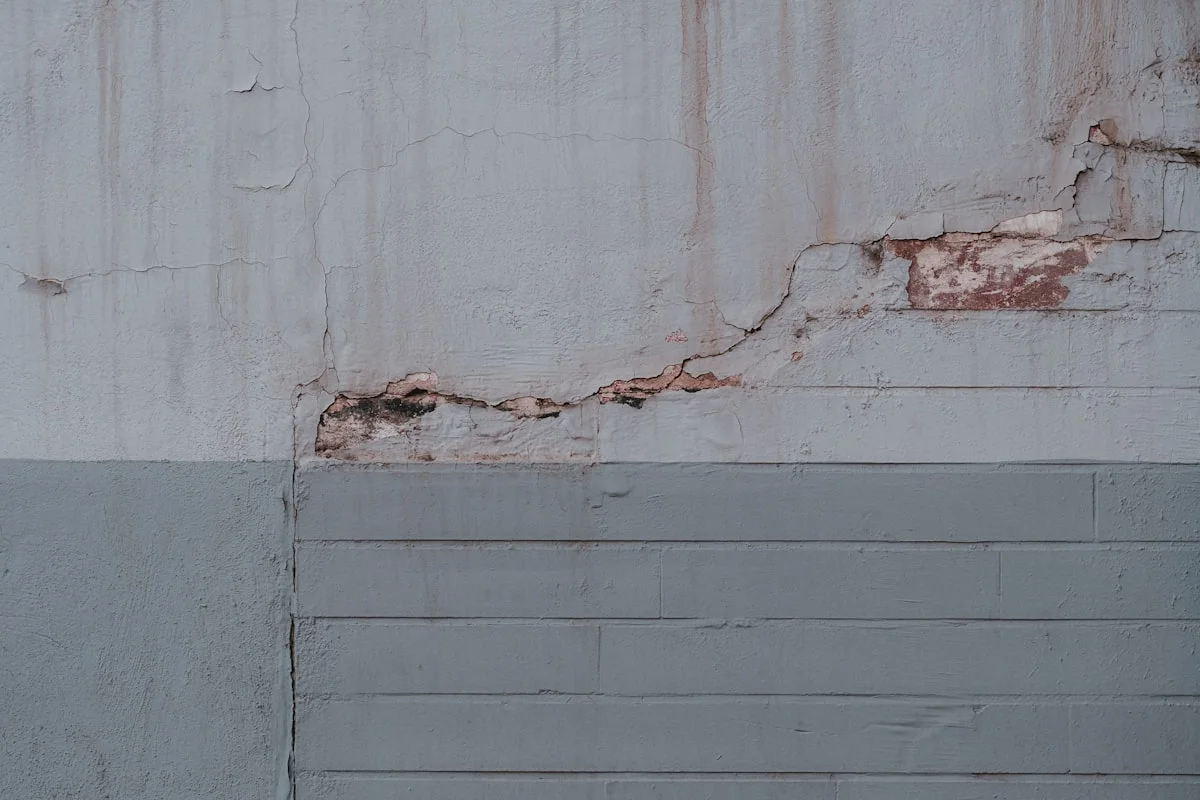
Chemical Paint Strippers for Brick Surfaces
Chemical paint strippers can be highly effective for removing stubborn paint from brick, especially when dealing with multiple layers or oil-based paints. Biodegradable and eco-friendly strippers are now widely available in 2025, offering a safer alternative to traditional solvents. Apply the stripper with a brush, let it sit according to the manufacturer’s instructions, then gently scrape away the softened paint. Always wear protective gloves and work in a well-ventilated area when using chemical solutions.
Natural and DIY Solutions for Paint Removal
For those who prefer non-toxic methods, several natural solutions can help remove paint from brick. A paste made from baking soda and water can lift light paint stains when applied and scrubbed gently. Vinegar, when mixed with warm water, can also break down paint residues over time. Another popular DIY method involves using a heat gun to soften the paint before scraping it off, though this requires patience to avoid overheating and damaging the brick.
When to Call a Professional for Paint Removal
While many paint removal projects can be tackled as DIY tasks, some situations require professional expertise. If the brick is historic, delicate, or covered in lead-based paint, hiring a specialist ensures safe and compliant removal. Professionals have access to industrial-grade tools and EPA-approved methods, reducing the risk of damage or hazardous exposure. If you’re unsure about the best approach, consulting a masonry expert in 2025 can save time and prevent costly mistakes.
Preventing Future Paint Buildup on Brick
Once you’ve successfully stripped the paint, taking preventive measures can keep your brick looking pristine. Avoid painting brick unless absolutely necessary, as removal is always more challenging than application. If painting is unavoidable, use breathable mineral-based paints designed for masonry. Regular cleaning with mild soap and water can also prevent dirt and grime from bonding to the surface, making future maintenance easier.
Final Thoughts on Removing Paint from Brick
Successfully learning how to remove paint from brick requires patience, the right tools, and an understanding of the material’s unique properties. Whether you opt for mechanical, chemical, or natural methods, always test a small area first to ensure compatibility. By following these expert-approved techniques, you can restore your brick exterior to its original charm in 2025 and beyond.
Lead Paint: Test Before You Start
If your home was built before 1978, the paint on your brick may contain lead. The U.S. Environmental Protection Agency (EPA) notes that lead paint is common in homes built before 1978. Sanding, scraping, or heating lead paint releases toxic lead dust and fumes. Before you start, test the paint with an EPA-recognized test kit, or hire a certified lead inspector. If the test is positive, do not do the work yourself. Hire an EPA-certified renovator who follows lead-safe work practices. Keep children and pregnant women away from the work area, and never burn lead paint off with a heat gun or an open flame.
Method Comparison: Which Approach Fits Your Project
| Method | Best For | Risks |
|---|---|---|
| Chemical stripper | Several layers or oil-based paint | Chemical fumes; wear gloves and eye protection |
| Soda blasting | Large areas, gentle on brick | Needs a pro and special equipment |
| Wire brush and scraper | Small areas and loose paint | Slow; can scratch soft brick |
| Pressure washing | Loose paint on sound brick | Can erode brick and mortar if pressure is too high |
| Heat gun | Small patches of paint | Never use on lead paint; can damage brick |
Test any method on a small, hidden area first. Work in a well-ventilated area, wear gloves, eye protection, and a mask, and keep the area wet to reduce dust.
Aftercare: Protecting Your Brick Once the Paint Is Off
Once the paint is gone, rinse the brick with clean water and let it dry fully. Check the mortar joints for cracks or gaps and repair them with fresh mortar. Do not paint over bare brick again unless you use a paint made for masonry, as ordinary paint traps moisture and peels. A breathable masonry sealer can protect the brick from water while letting moisture escape. Inspect the brick once a year for new cracks, white salt deposits, or damp patches.
DIY Cost Versus Hiring a Professional
A DIY chemical stripper costs about $30 to $60 per gallon, plus brushes, gloves, and a mask. A small project may cost $100 to $300 in materials. Hiring a professional costs more, often $2 to $6 per square foot, depending on the method and the condition of the brick. A pro is worth the cost for large areas, for lead paint, or for historic brick, where a mistake can cause permanent damage. Get at least three quotes and ask each contractor about their experience with brick.
Frequently Asked Questions
Is it safe to remove paint from brick myself?
For small areas with latex paint, yes, with care. Test for lead paint first if your home was built before 1978, and hire a certified pro if the test is positive.
What is the best method to remove paint from brick?
Chemical strippers work well for several layers. Soda blasting is gentle on brick for large areas. Test any method on a small, hidden area first.
Can pressure washing damage brick?
Yes. High pressure can erode brick and mortar. Use low pressure, keep the nozzle moving, and test on a hidden area first.
How do I know if my paint contains lead?
If your home was built before 1978, test the paint with an EPA-recognized test kit or hire a certified lead inspector. Never sand or heat lead paint.
Should I seal brick after removing paint?
A breathable masonry sealer can protect the brick from water while letting moisture escape. Do not use ordinary paint, as it traps moisture and peels.
Disclaimer: This guide gives general information only. If your home was built before 1978, test for lead paint before you start. When in doubt, hire a licensed professional.
Last Updated: 6 November 2026