Natural Cleaning Recipes for a Healthier Home in 2025
Switching to natural cleaning recipes is one of the best ways to create a healthier, toxin-free home in 2025. Unlike commercial cleaners packed with harsh chemicals, DIY natural cleaning recipes use simple, eco-friendly ingredients like vinegar, baking soda, and essential oils. These solutions are not only safer for your family and pets but also cost-effective and just as effective as store-bought alternatives. In this guide, we’ll explore the best natural cleaning recipes for every room in your home, along with expert tips for maximizing their cleaning power.
Why Choose Natural Cleaning Recipes?
Traditional cleaning products often contain synthetic fragrances, ammonia, chlorine, and other irritants that can harm indoor air quality and trigger allergies. By opting for natural cleaning recipes, you reduce exposure to these toxins while still achieving a sparkling clean home. Ingredients like white vinegar, lemon juice, and castile soap have natural antibacterial and degreasing properties, making them powerful alternatives. Additionally, homemade cleaners are budget-friendly and reduce plastic waste, aligning with sustainable living trends in 2025.
Essential Ingredients for Natural Cleaning Recipes
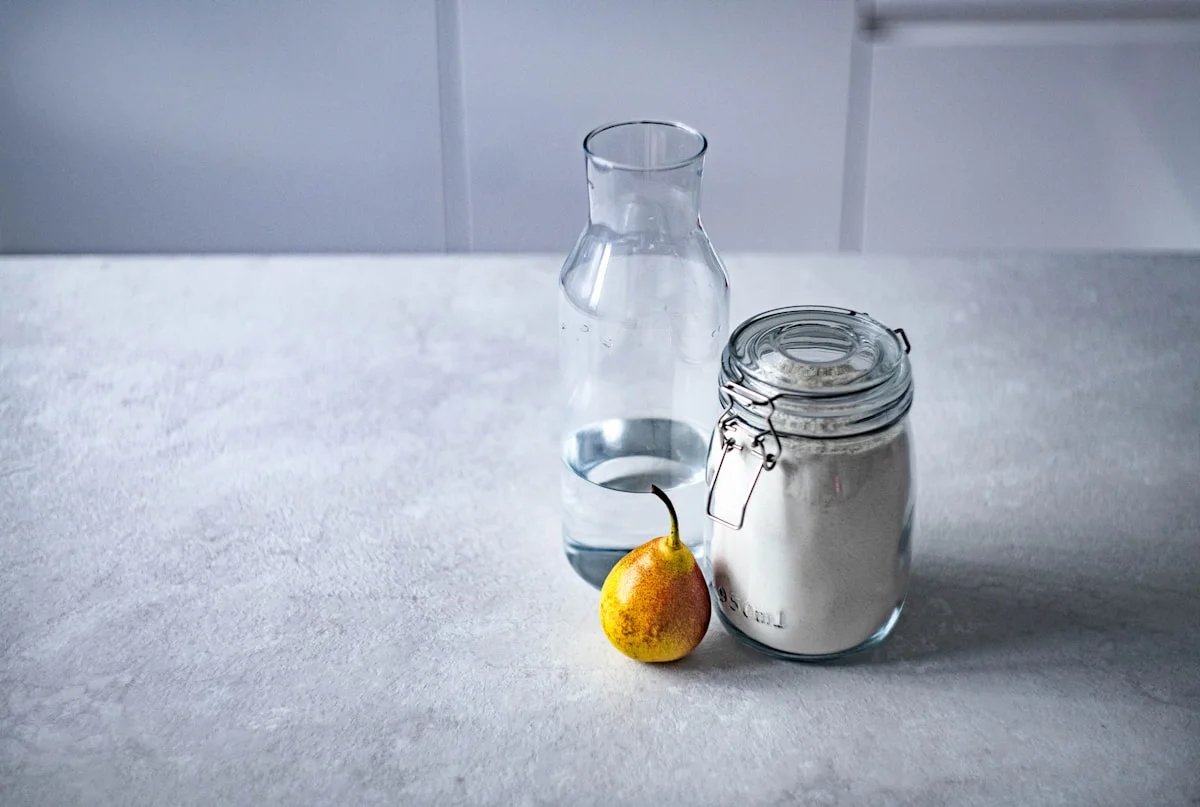
Before diving into specific recipes, it’s important to stock your pantry with a few key ingredients. White vinegar is a versatile disinfectant and deodorizer, while baking soda acts as a gentle abrasive for scrubbing. Hydrogen peroxide is excellent for stain removal, and essential oils like tea tree, lavender, and lemon add antimicrobial benefits and fresh scents. Castile soap, a plant-based liquid soap, works well for all-purpose cleaning. With these staples, you can tackle nearly any cleaning challenge naturally.
All-Purpose Natural Cleaning Spray
One of the most versatile natural cleaning recipes is an all-purpose spray. Combine one cup of distilled water, one cup of white vinegar, and 10-15 drops of your favorite essential oil in a spray bottle. Shake well before each use. This solution works on countertops, glass, stainless steel, and tile. The vinegar cuts through grease and grime, while the essential oils leave a pleasant scent. For tougher stains, let the solution sit for a few minutes before wiping.
Natural Floor Cleaner for Hardwood and Tile
Hardwood and tile floors require a gentle yet effective cleaner to avoid damage. Mix one gallon of warm water with a quarter cup of white vinegar and a few drops of liquid castile soap. Avoid using vinegar on natural stone, as it can erode the surface over time. For stone floors, substitute vinegar with a quarter cup of rubbing alcohol. Mop as usual, and enjoy streak-free, naturally clean floors without harsh residues.
DIY Natural Oven Cleaner
Oven cleaning is often a dreaded chore, but a simple natural cleaning recipe can make it easier. Create a paste with half a cup of baking soda and a few tablespoons of water. Spread the paste over the interior of your oven, avoiding heating elements. Let it sit overnight, then scrub with a damp cloth. For stubborn grease, add a splash of vinegar to help break it down. This method is far safer than commercial oven cleaners, which often contain toxic fumes.
Eco-Friendly Toilet Bowl Cleaner
Instead of bleach-based toilet cleaners, try a natural alternative. Sprinkle baking soda inside the bowl, then drizzle with vinegar. Let the mixture fizz for 10-15 minutes before scrubbing with a toilet brush. For extra disinfecting power, add a few drops of tea tree oil, which has natural antifungal properties. This method removes stains and odors without exposing your bathroom to harsh chemicals.
Natural Glass and Mirror Cleaner
Streak-free windows and mirrors are easy to achieve with a simple natural cleaning recipe. Combine one part vinegar with one part water in a spray bottle, then add a teaspoon of cornstarch to prevent streaks. Shake well and spray onto glass surfaces, wiping with a microfiber cloth. Cornstarch helps absorb residue, leaving behind a crystal-clear shine. This solution is especially useful in 2025 as more households prioritize eco-friendly alternatives.
Safe and Effective Natural Disinfectant
For areas that need extra sanitization, such as cutting boards or doorknobs, hydrogen peroxide is a powerful natural disinfectant. Spray 3% hydrogen peroxide directly onto surfaces, let it sit for a few minutes, then wipe clean. For an added boost, follow with a spritz of vinegar (but never mix the two in the same bottle, as this creates peracetic acid, which can be irritating). This two-step method is highly effective against bacteria and viruses.
Natural Carpet and Upholstery Freshener
Commercial carpet fresheners often contain synthetic fragrances and chemicals. Instead, mix one cup of baking soda with 10-15 drops of essential oil in a jar. Shake well, then sprinkle over carpets or upholstery. Let it sit for 15-20 minutes before vacuuming. This method neutralizes odors and leaves fabrics smelling fresh without toxic residues. For spot cleaning, a paste of baking soda and water can lift stains naturally.
Expert Tips for Maximizing Natural Cleaning Recipes
To get the most out of your natural cleaning recipes, always label homemade solutions clearly and store them in airtight containers. Test new cleaners on a small, inconspicuous area first to ensure compatibility with surfaces. For best results, clean regularly rather than waiting for heavy buildup. Finally, consider using reusable spray bottles and cloths to further reduce waste. By adopting these habits in 2025, you’ll maintain a clean, green home effortlessly.
Final Thoughts on Natural Cleaning Recipes
Transitioning to natural cleaning recipes is a simple yet impactful way to promote a healthier home and planet in 2025. With ingredients you likely already have, you can create effective, non-toxic cleaners for every room. Whether you’re tackling kitchen grease, bathroom grime, or musty carpets, these DIY solutions offer a safer, more sustainable alternative to conventional products. Start experimenting with these recipes today and enjoy the benefits of a naturally clean living space.
Safety First: Never Mix These Cleaners
| Do Not Mix | Why Not |
|---|---|
| Vinegar and bleach | Creates toxic chlorine gas that can burn your lungs |
| Hydrogen peroxide and vinegar in one bottle | Creates peracetic acid, which can irritate skin, eyes, and lungs |
| Bleach and ammonia | Creates toxic chloramine gas |
| Bleach and rubbing alcohol | Creates chloroform and other harmful chemicals |
Use one cleaner at a time, rinse the surface with water, and let it dry before you use another. Keep all homemade cleaners out of reach of children and pets, and label every bottle with the ingredients and the date you made it.
Surfaces to Avoid: Where Vinegar Does Not Belong
Vinegar is acidic, so do not use it on natural stone such as marble, granite, or travertine, as the acid can etch the surface. Do not use vinegar on hardwood floors with a wax or oil finish, as it can dull the finish. Do not use vinegar on cast iron, as it can strip the seasoning. For stone counters, use a pH-neutral cleaner or plain water with a drop of castile soap. For hardwood, use a cleaner made for wood floors.
Essential Oils and Pets: A Warning
Essential oils are not safe for all pets. The ASPCA notes that some essential oils, including tea tree oil, can be toxic to cats and dogs. Never apply essential oils directly to pets, and do not use them in a diffuser in a room where pets cannot leave. If you have pets, use unscented cleaners or check with your vet before you add essential oils to a recipe.
How Much Do Homemade Cleaners Cost?
Homemade cleaners are cheap. A gallon of white vinegar costs about $3 to $5. A box of baking soda costs about $1 to $2. A bottle of castile soap costs about $10 to $15 and lasts for months, as you only need a few drops per recipe. A spray bottle costs about $2 to $5. In total, a full set of homemade cleaners costs under $25, while the same set of store-bought cleaners can cost $40 or more.
Frequently Asked Questions
Can I mix vinegar and bleach for cleaning?
No. Mixing vinegar and bleach creates toxic chlorine gas that can burn your lungs. Never mix cleaning products.
Is vinegar safe for marble counters?
No. Vinegar is acidic and can etch marble, granite, and travertine. Use a pH-neutral cleaner on natural stone.
Are essential oils safe for pets?
Not all of them. The ASPCA notes that some essential oils, including tea tree oil, can be toxic to cats and dogs. Check with your vet first.
How long do homemade cleaners last?
Most vinegar and baking soda cleaners last a few weeks. Label every bottle with the ingredients and the date, and make fresh batches often.
How much do homemade cleaners cost?
A full set costs under $25, including vinegar, baking soda, castile soap, and spray bottles. The same set of store-bought cleaners can cost $40 or more.
Disclaimer: This guide gives general information only. Never mix cleaning products. Keep all cleaners out of reach of children and pets.
Last Updated: 6 November 2026