How to Start a Small Garden on a Balcony in Apartments
Living in an apartment doesn’t mean you have to give up on gardening. Even with limited space, a balcony can be transformed into a lush, green oasis where you can grow herbs, flowers, and even vegetables. Whether you’re a beginner or an experienced gardener, starting a small balcony garden is a rewarding way to connect with nature, reduce stress, and enjoy fresh produce right at home. This guide will walk you through everything you need to know to create your own balcony garden.
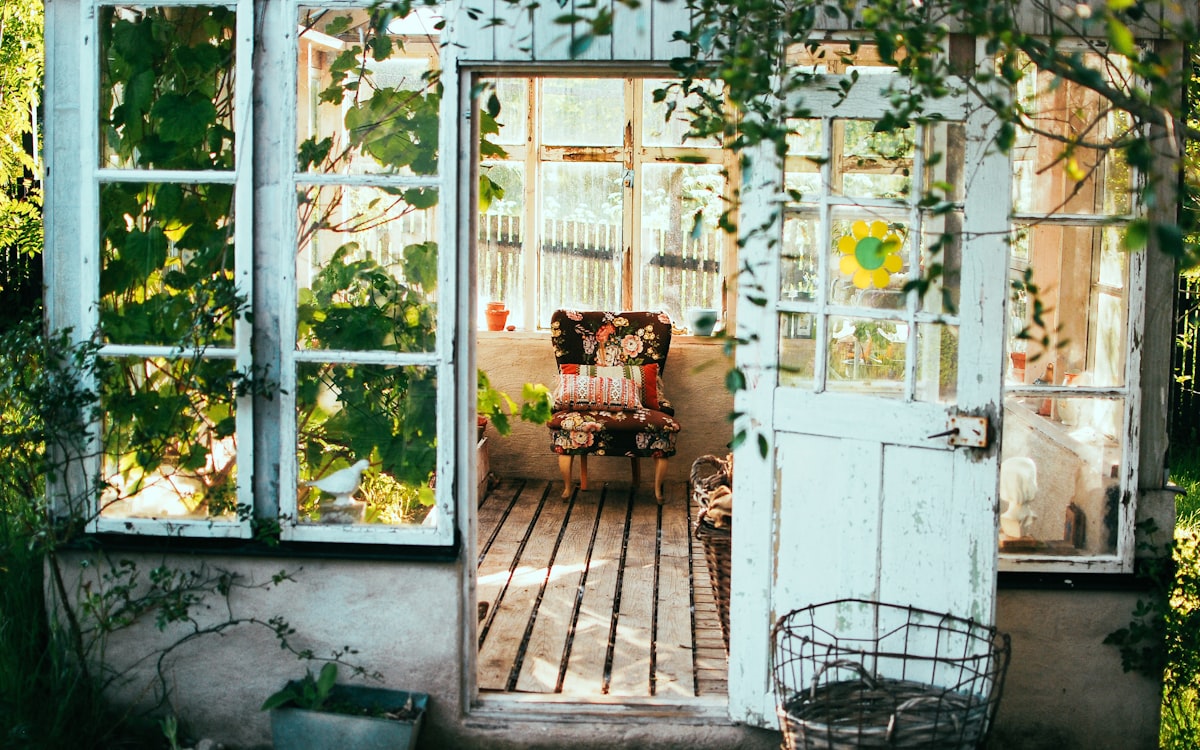
Assessing Your Balcony Space
Before diving into planting, it’s important to evaluate your balcony’s conditions to determine what will thrive there.
1. Sunlight Exposure
Observe how much sunlight your balcony receives daily:
- Full sun (6+ hours): Ideal for tomatoes, peppers, and most herbs.
- Partial sun (3-6 hours): Suitable for leafy greens like lettuce and spinach.
- Shade (less than 3 hours): Opt for shade-loving plants like ferns or mint.
2. Space and Weight Capacity
Check your balcony’s weight limit to ensure it can support pots, soil, and plants. Measure the available space to plan your layout efficiently.
3. Wind and Weather Conditions
Balconies on higher floors may experience strong winds, which can damage delicate plants. Consider wind-resistant plants or install a small trellis for protection.
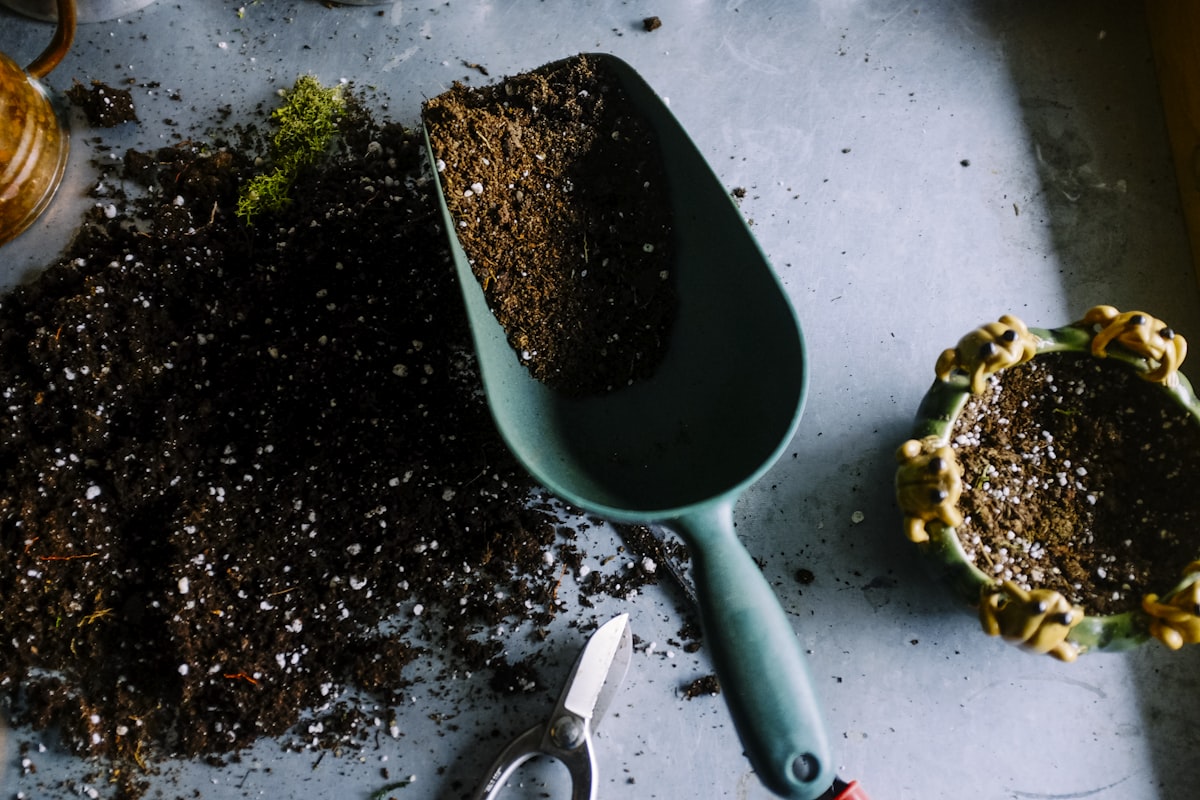
Choosing the Right Containers
Since space is limited, selecting the right containers is key to maximizing your balcony garden.
1. Types of Containers
- Pots: Lightweight plastic or ceramic pots work well.
- Hanging Baskets: Great for trailing plants like strawberries or petunias.
- Vertical Planters: Save floor space by growing upwards.
- Window Boxes: Perfect for railings to add greenery without taking up space.
2. Drainage is Essential
Ensure your containers have drainage holes to prevent root rot. Place a saucer underneath to catch excess water.
3. Size Matters
Larger pots retain moisture longer, while smaller ones dry out faster. Match the pot size to the plant’s growth needs.
Selecting the Best Plants for Your Balcony Garden
Not all plants thrive in containers or balcony conditions. Here are some great options:
1. Herbs
- Basil
- Parsley
- Thyme
- Mint (grows well in shade)
2. Vegetables
- Cherry tomatoes
- Peppers
- Lettuce
- Radishes
3. Flowers
- Marigolds (pest-resistant)
- Petunias (colorful and low-maintenance)
- Pansies (great for cooler weather)

Soil and Fertilizer Tips
Using the right soil mix ensures healthy plant growth.
1. Choose Quality Potting Mix
Garden soil is too dense for containers. Opt for a lightweight potting mix with good drainage.
2. Fertilize Regularly
Container plants need nutrients since they can’t draw from the ground. Use organic fertilizers like compost tea or slow-release pellets.
Watering Your Balcony Garden
Balcony plants dry out faster than in-ground gardens, so consistent watering is crucial.
- Check soil moisture: Stick your finger an inch into the soil—if it’s dry, it’s time to water.
- Water in the morning: Reduces evaporation and prevents fungal growth.
- Use a watering can with a narrow spout: Helps target the roots without wasting water.
Maximizing Space with Vertical Gardening
If floor space is limited, think vertically!
1. Wall-Mounted Planters
Install shelves or pocket planters on walls or railings.
2. Trellises and Climbing Plants
Grow beans, peas, or ivy on a small trellis.
3. Hanging Planters
Suspend plants from the ceiling or railing to free up floor space.
Maintaining Your Balcony Garden
Regular care keeps your garden thriving.
- Prune regularly: Remove dead leaves to encourage new growth.
- Watch for pests: Aphids and spider mites can be common. Use natural remedies like neem oil.
- Rotate pots: Ensure all sides of the plant get sunlight.
Conclusion
Starting a small garden on your apartment balcony is a fantastic way to enjoy greenery, grow your own food, and create a peaceful retreat. By assessing your space, choosing the right plants and containers, and maintaining them properly, you can cultivate a thriving garden even in a compact area. Whether you’re growing herbs for cooking, flowers for beauty, or veggies for freshness, a balcony garden brings nature right to your doorstep. Happy gardening!
What to Grow by Sunlight: A Quick Planting Guide
Match your plants to the sunlight your balcony gets. Use the table below. Measure the sunlight first, then choose plants. A plant that needs full sun will not thrive in shade, no matter how well you water it.
| Sunlight | Best plants |
|---|---|
| Full sun, 6+ hours | Tomatoes, peppers, basil, rosemary, strawberries |
| Partial sun, 3 to 6 hours | Lettuce, spinach, parsley, mint, radishes |
| Shade, less than 3 hours | Ferns, mint, chives, leafy greens |
Watering and Drainage on a Balcony: Avoid Common Mistakes
Balcony plants dry out fast, because pots are small and wind dries the soil. Water in the morning, so the leaves dry before night and fungal problems are less likely. Check the soil with your finger. If the top inch is dry, water. If it is damp, wait. Use a watering can with a narrow spout to water the soil, not the leaves. Make sure every pot has drainage holes. Place a saucer under each pot to catch water, but empty the saucer after watering, so the roots do not sit in water. Use self-watering pots if you travel often. They have a reservoir that keeps the soil moist for several days. Mulch the top of the soil with bark or straw to slow evaporation.
Dealing with Pests Without Harsh Chemicals
Aphids, spider mites, and whiteflies are common on balcony plants. Check the underside of leaves once a week. Spray aphids off with a strong jet of water. Wipe spider mites off with a damp cloth. Use neem oil spray for stubborn pests, following the label instructions. Plant marigolds near your vegetables, because they repel many insects. Keep the balcony clean. Remove dead leaves and fallen fruit, because they attract pests. Avoid broad-spectrum insecticides on a balcony, because they can harm bees and other helpful insects. If pests persist, remove the worst-affected plant to protect the rest.
Frequently Asked Questions
What vegetables grow best on a balcony?
Cherry tomatoes, peppers, lettuce, spinach, and radishes grow well in containers. They need a sunny spot, a pot with drainage, and regular watering. Use a lightweight potting mix and feed them with an organic fertiliser every two weeks.
How much sunlight does a balcony garden need?
Most vegetables and herbs need 6 or more hours of direct sun. Leafy greens do well with 3 to 6 hours. Shade-loving plants such as ferns and mint grow with less than 3 hours. Measure your balcony’s sunlight before you choose plants.
What size pots should I use on a balcony?
Match the pot to the plant. Herbs grow well in pots 20 to 30 cm wide. Tomatoes and peppers need pots at least 30 to 40 cm wide and deep. Larger pots retain moisture longer, while smaller pots dry out faster.
Can I grow a garden on a small balcony?
Yes. Use vertical planters, wall-mounted shelves, hanging baskets, and window boxes to grow upwards. Choose compact varieties of vegetables and herbs. A small balcony can grow enough herbs and salad greens for daily use.
How do I keep balcony plants alive in winter?
Move tender plants indoors or cover them on cold nights. Reduce watering, because plants grow slower in winter. Choose cold-hardy plants such as pansies and kale for winter colour. Check your local frost dates and protect plants accordingly.
Disclaimer: This guide gives general information about balcony gardening. Check your building’s rules about balcony weight limits and railings before you start. Plant care depends on your climate and your balcony’s conditions.
Last Updated: 6 November 2026