How to Build a Budget Raised Garden Bed in 2025: A Step-by-Step Guide
Dreaming of fresh, homegrown vegetables but worried about the cost? Building a budget raised garden bed is the perfect solution for any aspiring gardener looking to maximize their harvest while minimizing expenses. A well-constructed budget raised garden bed not only improves drainage and soil quality but also makes gardening accessible, even in small or challenging spaces. This guide will walk you through creating your own productive and affordable garden space, proving that you don’t need a large investment to enjoy the benefits of raised bed gardening.
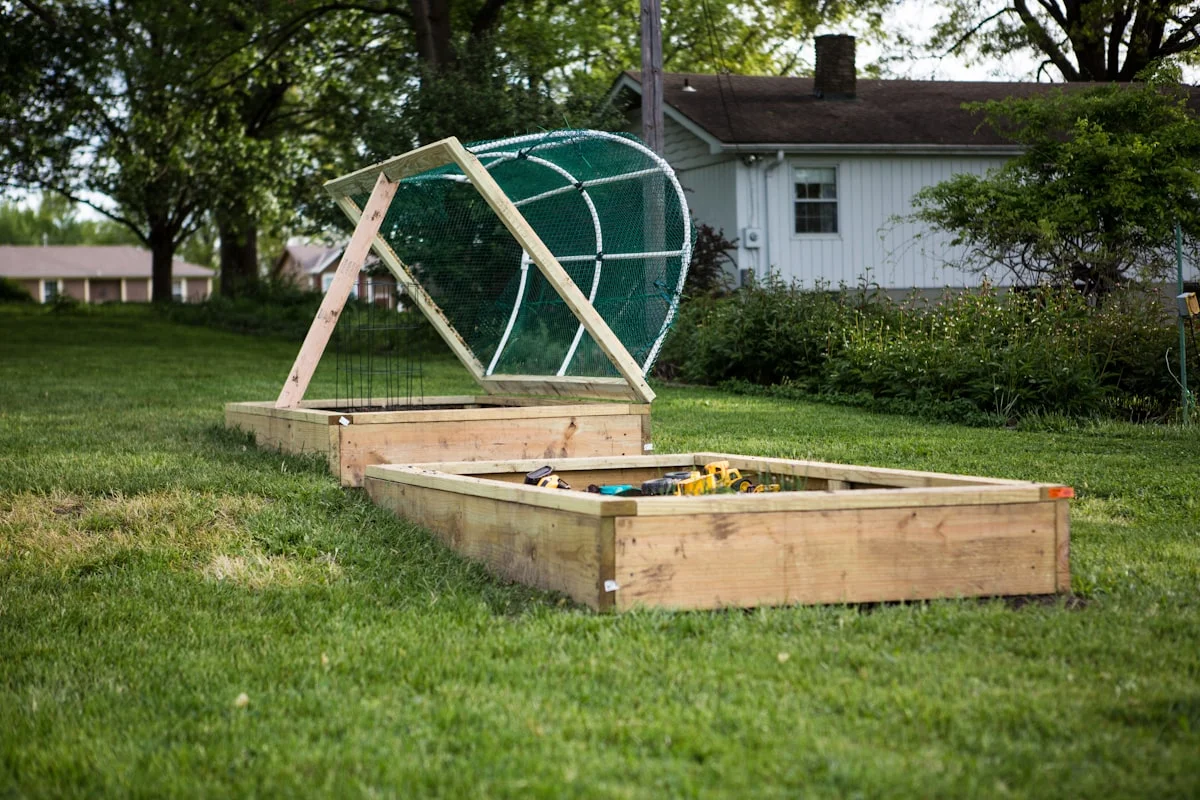
Why Choose a Raised Garden Bed?
Raised garden beds offer a multitude of advantages that make them a superior choice for many gardeners, especially those working with limited budgets or poor native soil. The primary benefit is complete control over your soil environment. You can fill your bed with a perfect, nutrient-rich mix tailored to what you want to grow, free from the compaction and potential contaminants of ground soil. This leads to healthier plant roots and significantly higher yields. Furthermore, the elevated nature of these beds improves drainage, preventing waterlogging during heavy rains, and warms up faster in the spring, allowing for an earlier planting season. For those with physical limitations, building a taller bed reduces the need for bending and kneeling, making gardening a more comfortable and enjoyable activity.
Planning Your Affordable Raised Bed
Before you gather any materials, a little planning ensures your project stays on track and within your financial means. The first decision is location. Most vegetables require a minimum of six to eight hours of direct sunlight daily, so observe your yard throughout the day to find the sunniest spot. Also, consider proximity to a water source; hauling a hose across a large yard quickly becomes tedious. Next, determine the size and shape. A width of 3 to 4 feet is ideal, as it allows you to reach the center from either side without stepping into the bed and compacting the soil. The length is flexible, but keeping it under 8 feet makes it easier to source inexpensive lumber. Depth is crucial; a minimum of 12 inches is recommended for most vegetables, with 18 to 24 inches being ideal for deep-rooted crops like carrots and tomatoes.
Sourcing Materials for a Low-Cost Raised Bed
The cornerstone of a truly budget raised garden bed is creative and resourceful material sourcing. You do not need to buy expensive, pre-treated lumber from a home improvement store. Often, the best materials are free or very low cost. Check online marketplaces and community boards for people giving away old pallets or lumber from torn-down fences and decks. Always ensure any reclaimed wood has not been treated with creosote or pentachlorophenol, which are harmful chemicals that can leach into your soil. Untreated, rot-resistant woods like cedar and redwood are excellent but can be pricey; a more affordable alternative is using untreated pine or spruce and accepting that it will have a shorter lifespan of 5-7 years, which is still a great return on investment. For a completely free option, consider cinder blocks, stones, or even logs sourced from your property.
A Step-by-Step Guide to Assembly
Once you have your materials, assembly is straightforward. For a simple wooden bed, cut your lumber to the desired length. If using pallets, carefully disassemble them to retrieve the planks. Lay out the frame on a level section of ground. You can simply screw the corners together using galvanized or decking screws for a basic box. For added stability, especially for taller beds, drill pilot holes and use corner posts made from 4×4 lumber. There is no need for a bottom; placing your frame directly on the soil allows worms and other beneficial organisms to enter and improves drainage. If you are concerned about weeds, a layer of cardboard at the bottom of the frame is an effective and free barrier that will eventually decompose.
Filling Your Garden Bed on a Budget
Filling a deep bed with premium bagged soil can become expensive. The savvy gardener uses a method called “hugelkultur” or simply layering to reduce cost and improve soil health over time. Start by filling the bottom third to half of your bed with yard waste like small branches, twigs, old leaves, and straw. This organic matter will slowly decompose, providing nutrients and creating a spongy layer that retains moisture. On top of this, add a mixture of your native soil (if it’s decent quality) and finished compost. You can create your own compost for free over time, or source it inexpensively from municipal recycling centers. Topping it all off with a few bags of a high-quality potting mix for the top 6 inches where your seeds will germinate gives your plants a perfect start without breaking the bank.
Maintaining Your Budget Garden
Ongoing maintenance of your new garden space is simple and cost-effective. Water deeply and less frequently to encourage strong root growth. A layer of mulch, such as straw, grass clippings, or shredded leaves, applied on top of the soil will conserve moisture, suppress weeds, and add organic matter as it breaks down. Instead of buying chemical fertilizers, continue to feed your soil by adding homemade compost at the beginning of each season. This closed-loop system feeds the microorganisms in the soil, which in turn feed your plants, creating a resilient and productive ecosystem right in your backyard.
Conclusion: Reap the Rewards
Building a productive and beautiful garden does not require a significant financial investment. By using ingenuity, repurposed materials, and natural methods, you can construct a thriving budget raised garden bed that will provide you with fresh, organic produce for seasons to come. The process is rewarding, the results are delicious, and the cost savings make it an achievable project for nearly everyone. Start planning your 2025 garden today and get ready to enjoy the fruits (and vegetables) of your labor.
How to Fill a Deep Bed for Less: The Layer Method
Filling a deep bed with bagged soil is the most expensive part of this project. Use layers instead. Start with cardboard on the bottom to smother grass and weeds. Add logs, branches, and sticks. Add leaves, grass clippings, and kitchen scraps. Add a layer of compost or aged manure. Top it with 8 to 12 inches of good garden soil or potting mix. This is sometimes called the lasagna method or hugelkultur. The bottom layers break down slowly and feed the soil. They also help the bed hold moisture. Do not use treated wood, painted wood, or glossy paper in the layers. Do not use meat, dairy, or diseased plants. Top up the soil each year, because the lower layers settle as they break down.
| Layer | What to use | Depth |
|---|---|---|
| Bottom | Cardboard, no tape or staples | 1 layer |
| Woody layer | Logs, branches, sticks | 4 to 6 inches |
| Green layer | Leaves, grass, kitchen scraps | 4 to 6 inches |
| Compost layer | Compost or aged manure | 3 to 4 inches |
| Top soil | Garden soil or potting mix | 8 to 12 inches |
What to Plant in a Small Raised Bed
Choose plants that give a lot of food for the space they use. Tomatoes, peppers, cucumbers, and zucchini give a large harvest from a few plants. Herbs such as basil, parsley, and chives grow well at the edges. Lettuce, spinach, and radishes grow fast and can be replanted several times in a season. Carrots and beets need deep soil, at least 12 inches. Do not plant mint in a bed, because it spreads and takes over. Grow mint in a pot instead. Plant tall plants on the north side, so they do not shade shorter plants. Use the square foot method: divide the bed into 1-foot squares and plant one, four, nine, or sixteen plants per square, based on the plant’s size.
Watering a Raised Bed the Right Way
Raised beds dry out faster than ground soil, because water drains well and the sides are exposed to sun and wind. Water deeply and less often, rather than a little each day. Deep watering helps roots grow down. Water in the morning, so leaves dry before night. Wet leaves at night can lead to disease. Use mulch on the soil surface to hold moisture. Straw, shredded leaves, or wood chips all work. Keep mulch a few inches away from plant stems. A soaker hose or drip line is the best way to water a raised bed. It puts water at the soil, not on the leaves, and it wastes less water than a sprinkler.
Common Pests and How to Handle Them Cheaply
Slugs, aphids, and cabbage worms are common in raised beds. Check plants twice a week. Pick off slugs by hand in the evening, or set a shallow dish of beer near the bed to trap them. Spray aphids off with a strong jet of water, or wipe them off with a damp cloth. Cover brassicas such as cabbage and broccoli with fine netting to keep moths from laying eggs. Plant marigolds near tomatoes to help deter some pests. Avoid chemical sprays on food plants unless the label says they are safe for vegetables and you follow the wait time before harvest. A healthy plant with good soil is less likely to be badly damaged by pests.
Frequently Asked Questions
How deep should a raised garden bed be?
Most vegetables need at least 12 inches of soil. Deep-rooted crops such as carrots and tomatoes do better with 18 to 24 inches. Fill the lower layers with logs, leaves, and compost to save on soil costs.
What is the cheapest way to fill a raised garden bed?
Use layers: cardboard on the bottom, then logs and branches, then leaves and kitchen scraps, then compost, then 8 to 12 inches of soil on top. The lower layers break down and feed the soil over time.
What wood is safe for a raised garden bed?
Untreated cedar and redwood last longest. Untreated pine or spruce is cheaper and lasts 5 to 7 years. Do not use wood treated with creosote or pentachlorophenol, because those chemicals can leach into soil.
How often should I water a raised garden bed?
Water deeply and less often, when the top inch of soil feels dry. Water in the morning. Use mulch to hold moisture and a soaker hose to put water at the soil, not on the leaves.
What grows best in a small raised bed?
Tomatoes, peppers, cucumbers, zucchini, lettuce, spinach, radishes, and herbs give a good harvest for the space. Grow mint in a pot, not in the bed, because it spreads.
Disclaimer: This guide gives general information about building a budget raised garden bed. Costs, materials, and growing results depend on your local climate, soil, and suppliers. Wash all produce before eating and follow local rules for composting and treated wood.
Last Updated: 6 November 2026