How to Make a Garden Fresh Salad in 2025: A Step-by-Step Guide
There’s nothing quite like the crisp, vibrant flavors of a garden fresh salad made with ingredients you’ve grown yourself. Whether you’re a seasoned gardener or just starting, cultivating your own salad greens, vegetables, and herbs ensures the freshest, most nutrient-packed meals possible. In this guide, we’ll walk you through everything you need to know to grow, harvest, and assemble the perfect garden fresh salad in 2025—from selecting the right plants to creative topping ideas that will elevate your dish.
Choosing the Right Plants for Your Garden Fresh Salad
The foundation of a delicious garden fresh salad starts with selecting the right plants. Leafy greens like lettuce, spinach, arugula, and kale are staples, but don’t overlook herbs like basil, cilantro, and parsley for added flavor. Consider adding quick-growing radishes, cherry tomatoes, and cucumbers for extra crunch and color. If space allows, edible flowers like nasturtiums or calendula can bring both beauty and a peppery taste to your bowl.
When planning your garden, think about succession planting to ensure a continuous harvest. Cool-weather crops like lettuce and spinach thrive in early spring and fall, while heat-loving plants like tomatoes and peppers peak in summer. By staggering your plantings, you’ll have fresh ingredients available throughout the growing season, making it easy to whip up a garden fresh salad whenever the craving strikes.
Preparing Your Garden for Salad Success
Healthy soil is the key to thriving salad greens and vegetables. Start by testing your soil’s pH and nutrient levels—most salad greens prefer slightly acidic to neutral soil (pH 6.0-7.0). Amend your garden bed with compost or well-rotted manure to improve fertility and drainage. Raised beds or containers are excellent options if you have limited space or poor soil quality, as they allow for better control over growing conditions.
Ensure your garden receives at least 6 hours of sunlight daily, though some leafy greens can tolerate partial shade. Consistent watering is crucial, especially for tender greens that can wilt quickly in hot weather. Mulching around plants helps retain moisture, suppress weeds, and regulate soil temperature, ensuring your garden fresh salad ingredients stay lush and flavorful.
Harvesting Your Garden Fresh Salad Ingredients
The best time to harvest salad greens is in the morning when their water content is highest, ensuring maximum crispness. Use clean, sharp scissors or garden shears to snip leaves just above the soil line, allowing the plant to regrow for multiple harvests. For lettuces, practice the “cut-and-come-again” method by taking only the outer leaves, which encourages continuous production.
Vegetables like tomatoes, cucumbers, and peppers should be picked when fully ripe for the best flavor. Herbs are most aromatic just before flowering, so harvest them regularly to promote bushier growth. Rinse all harvested produce gently in cool water to remove dirt and debris, then pat dry or use a salad spinner before assembling your garden fresh salad.
Assembling the Perfect Garden Fresh Salad
Now comes the fun part—combining your homegrown ingredients into a delicious, nutrient-rich salad. Start with a base of mixed greens, then layer on colorful vegetables, herbs, and edible flowers for visual appeal and texture. Add protein like grilled chicken, chickpeas, or hard-boiled eggs to make it a satisfying meal. A simple homemade dressing—such as olive oil, lemon juice, and a pinch of salt—enhances the natural flavors without overpowering them.
Experiment with seasonal variations to keep your garden fresh salad exciting. In spring, try tender pea shoots and strawberries; in summer, opt for juicy tomatoes and basil; and in fall, incorporate roasted squash and toasted nuts. The possibilities are endless when you grow your own ingredients, allowing you to enjoy fresh, healthy salads year-round.
Tips for Extending Your Salad Garden’s Season
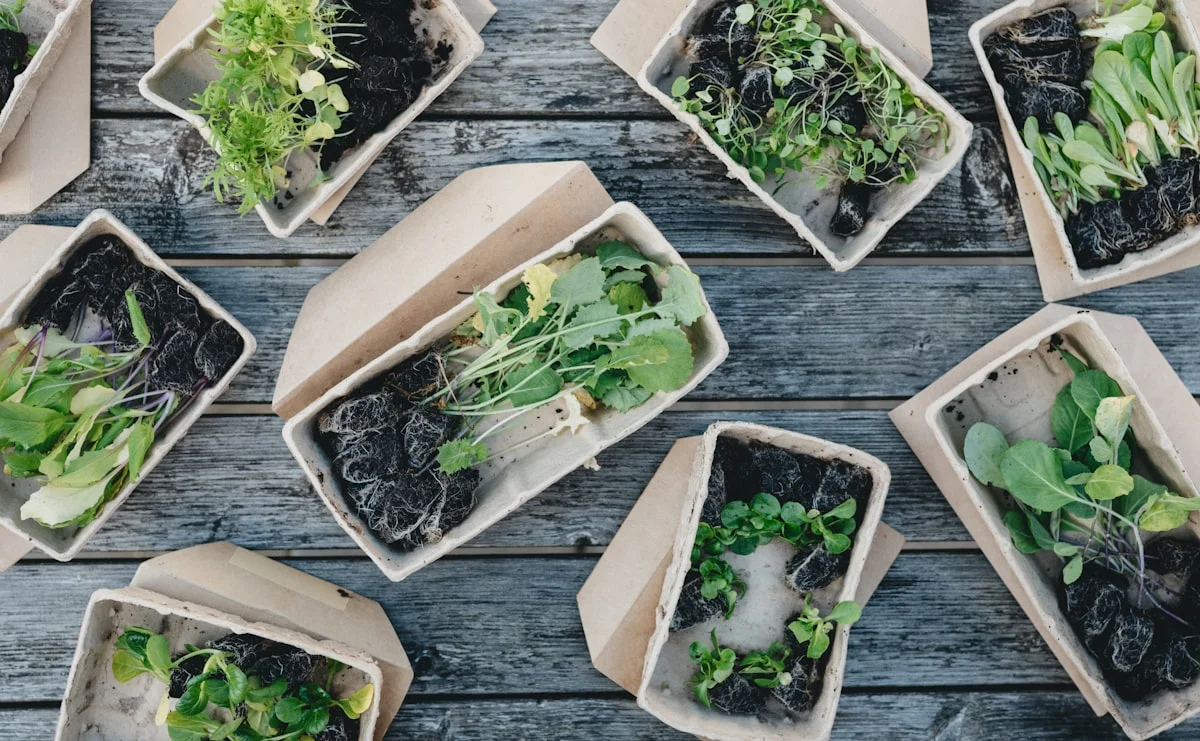
To enjoy garden fresh salads beyond the typical growing season, consider using cold frames, row covers, or a small greenhouse to protect plants from frost. Many leafy greens, such as kale and spinach, can withstand cooler temperatures and even taste sweeter after a light frost. Indoors, you can grow microgreens or herbs on a sunny windowsill for fresh additions to winter salads.
Preserving excess harvests through freezing, drying, or fermenting is another way to enjoy your garden’s bounty year-round. Herbs can be dried or frozen in oil, while tomatoes can be roasted and stored for future dressings. With a little planning, you can savor the taste of your garden fresh salad ingredients long after the growing season ends.
Final Thoughts on Growing and Enjoying Garden Fresh Salads
Creating a garden fresh salad from your own backyard is a rewarding experience that connects you to your food in a meaningful way. Not only do homegrown ingredients taste better, but they also offer superior nutrition and reduce your environmental footprint. By following these steps—selecting the right plants, nurturing your garden, harvesting at peak freshness, and assembling with care—you’ll enjoy the most flavorful, wholesome salads imaginable in 2025 and beyond.
Whether you’re a novice gardener or a seasoned pro, the joy of stepping outside to pick ingredients for your next meal is unmatched. Start small, experiment with different varieties, and soon you’ll be crafting garden fresh salads that delight your taste buds and nourish your body. Happy gardening—and even happier eating!
The Salad Formula: Build a Balanced Bowl Every Time
A good salad has five parts. Start with a base of leafy greens, such as lettuce, spinach, or arugula. Add colour with vegetables, such as tomatoes, cucumbers, carrots, or peppers. Add protein, such as beans, eggs, chicken, tofu, or cheese. Add crunch, such as nuts, seeds, or croutons. Finish with a dressing. Use this formula and you can build a new salad every day without a recipe. Change one part each time. A new dressing or a new protein changes the whole salad. Let children pick one part. They are more likely to eat a salad they helped to build.
Five Simple Dressings You Can Make at Home
Homemade dressing takes two minutes and tastes better than bottled dressing. Use the table below. Mix each dressing in a small jar. Shake well. Taste and adjust the salt and lemon.
| Dressing | Ingredients |
|---|---|
| Classic vinaigrette | 3 parts olive oil, 1 part vinegar, mustard, salt |
| Lemon and herb | Olive oil, lemon juice, garlic, chopped herbs |
| Honey mustard | Mustard, honey, olive oil, lemon juice |
| Yogurt ranch | Yogurt, lemon juice, garlic, dill, salt |
| Tahini | Tahini, lemon juice, water, garlic, salt |
How to Wash and Store Salad Greens So They Stay Fresh
Wash greens just before you eat them, not when you pick them. Fill a large bowl with cold water. Swish the leaves gently. Lift them out, not the water, so the dirt stays at the bottom. Dry them in a salad spinner or pat them dry with a clean towel. Wet leaves wilt faster and make the dressing slide off. Store dry leaves in a container lined with a clean cloth or paper towel. The cloth absorbs moisture. Keep the container in the fridge. Most greens stay fresh for 3 to 5 days. Use the oldest leaves first. If leaves look slimy or smell bad, throw them away.
Food Safety: Wash Produce and Keep It Cold
Always wash fruits and vegetables before you eat them, even if you grew them yourself. Rinse them under running water. Rub them gently with your hands. Do not use soap or bleach. Wash your hands before you handle food. Keep cut salad cold. Do not leave a salad at room temperature for more than 2 hours, or 1 hour if it is hot outside. Bacteria grow fast in warm food. Use clean tools and a clean cutting board. Keep raw meat away from salad ingredients. If you add cooked chicken or eggs to a salad, cool them fully first. Check food safety guidance from your country’s food safety body for the latest rules.
Frequently Asked Questions
How do I keep salad greens fresh longer?
Wash them just before you eat them. Dry them well, then store them in a container lined with a clean cloth or paper towel in the fridge. Most greens stay fresh for 3 to 5 days. Use the oldest leaves first.
What is the best time to harvest salad greens?
Harvest in the morning, when the leaves are full of water and crisp. Use clean, sharp scissors. Cut leaves just above the soil line, so the plant can grow back for another harvest.
How do I make a salad more filling?
Add protein, such as beans, eggs, chicken, tofu, or cheese. Add healthy fats, such as nuts, seeds, or olive oil. Add a whole grain, such as quinoa or brown rice. A salad with protein and fat keeps you full longer.
Do I need to wash homegrown vegetables?
Yes. Always rinse fruits and vegetables under running water before you eat them, even if you grew them yourself. Soil can carry bacteria. Do not use soap or bleach on produce.
What grows well in a small salad garden?
Lettuce, spinach, arugula, radishes, and herbs such as basil and parsley grow well in small spaces and pots. Use succession planting, sowing a little every two weeks, for a steady supply through the season.
Disclaimer: This guide gives general information about growing and making garden salads. Check food safety guidance for your country, and be careful with food allergies. If you are unsure about an ingredient, ask a doctor or a dietitian.
Last Updated: 6 November 2026