# Beginner Composting Guide: How to Start in 2025
What Is Composting and Why Should You Start?
If you’re new to sustainable living, this beginner composting guide will help you turn kitchen scraps and yard waste into nutrient-rich soil. Composting is a natural process that breaks down organic matter, reducing landfill waste while enriching your garden. Whether you’re an urban apartment dweller or have a backyard, this beginner composting guide covers everything you need to know to get started in 2025.
Composting isn’t just for seasoned gardeners—anyone can do it with minimal effort. By recycling food scraps and plant debris, you reduce methane emissions from landfills and create free fertilizer. Plus, composting improves soil structure, retains moisture, and supports healthy plant growth. Ready to dive in? Let’s explore the basics of composting for beginners.
Choosing the Right Composting Method for Beginners
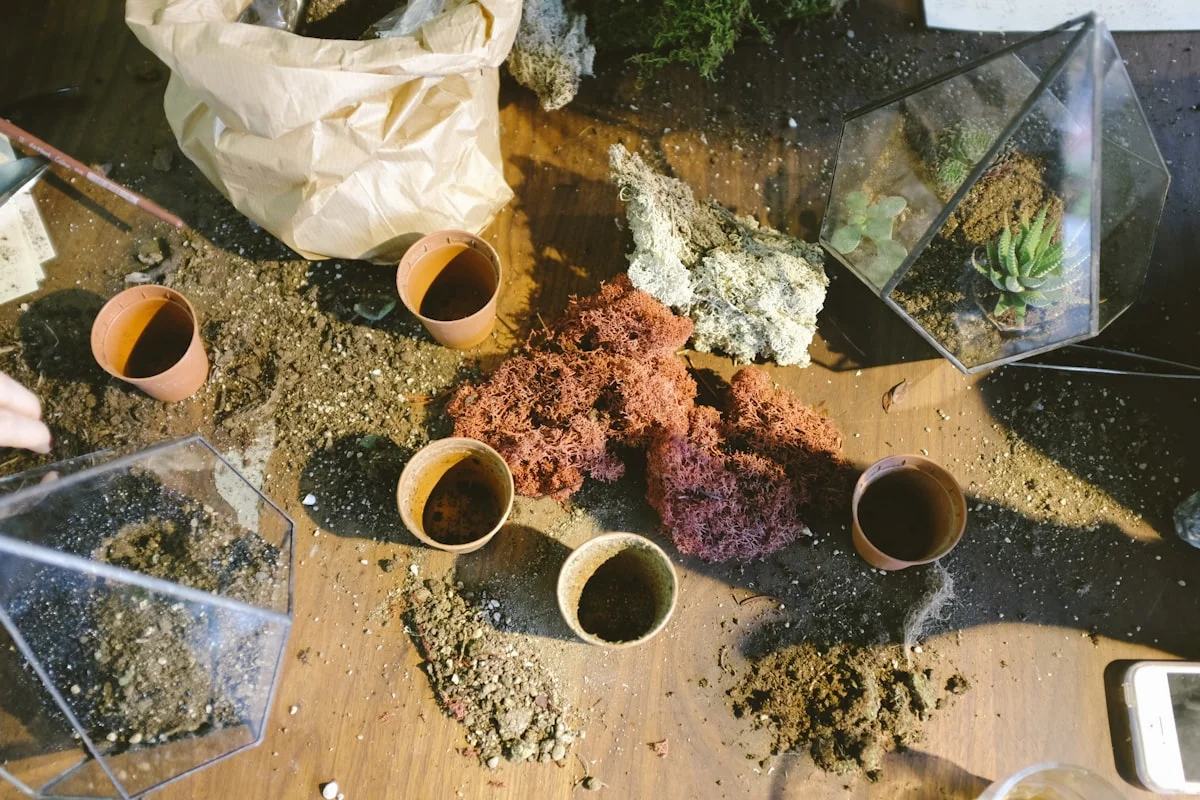
Before you start, decide which composting method suits your lifestyle. The most common options for beginners include backyard composting, vermicomposting (worm composting), and bokashi (fermentation). Backyard composting is ideal if you have outdoor space, while vermicomposting works well for apartments or small spaces. Bokashi is another compact option that ferments food waste quickly, including meat and dairy, which traditional composting avoids.
For most beginners, a simple outdoor compost bin or pile is the easiest way to start. You can buy a ready-made compost bin or build one using wooden pallets or wire mesh. If you’re short on space, a small indoor worm bin is a great alternative. Red wigglers are the best worms for composting, as they efficiently break down organic material without odors.
What Can and Can’t You Compost?
A key part of this beginner composting guide is knowing what materials to compost. Green materials (nitrogen-rich) include fruit and vegetable scraps, coffee grounds, and fresh grass clippings. Brown materials (carbon-rich) include dried leaves, cardboard, and straw. A good rule is to maintain a 2:1 ratio of browns to greens for optimal decomposition.
Avoid composting meat, dairy, oily foods, and pet waste, as they attract pests and create odors. Diseased plants and weeds with seeds should also be left out to prevent spreading pathogens. If you’re unsure whether something is compostable, it’s best to leave it out or research further.
Setting Up Your First Compost Pile
Start by selecting a dry, shaded spot near a water source. Layer brown and green materials, ensuring proper aeration by mixing or turning the pile weekly. Moisture is crucial—your compost should feel like a damp sponge. If it’s too dry, add water; if too wet, mix in more brown materials.
Over time, microorganisms and decomposers like worms will break down the materials into dark, crumbly compost. Depending on conditions, this process can take a few months to a year. To speed things up, chop materials into smaller pieces and turn the pile regularly to introduce oxygen.
Common Composting Mistakes to Avoid
Many beginners make simple mistakes that slow down composting. Adding too many greens without enough browns leads to a smelly, slimy pile. Neglecting to turn the compost reduces airflow, slowing decomposition. Another common error is composting inorganic materials like plastic or glossy paper, which don’t break down and contaminate the compost.
Patience is key—composting is a natural process that can’t be rushed. If your pile isn’t heating up, check the balance of materials and moisture. A well-maintained compost pile should generate heat as microbes work, indicating active decomposition.
Using Your Finished Compost
Once your compost is dark, earthy-smelling, and free of large chunks, it’s ready to use. Spread it in your garden beds as a soil amendment, mix it into potting soil, or use it as mulch. Compost improves soil fertility, enhances water retention, and reduces the need for chemical fertilizers.
If you’re growing vegetables, compost provides essential nutrients for healthy crops. Even houseplants benefit from a light top dressing of compost. By following this beginner composting guide, you’ll not only reduce waste but also create a sustainable loop that benefits your garden and the planet.
Final Thoughts on Beginner Composting
Starting a compost pile in 2025 is easier than you think, and the environmental benefits are immense. Whether you choose a backyard bin, worm composting, or bokashi, the key is consistency and balance. Remember, composting is a learning process—don’t be afraid to experiment and adjust as you go.
By following this beginner composting guide, you’ll soon turn everyday waste into garden gold. Ready to take the next step? Gather your kitchen scraps, set up your compost system, and watch nature do the rest!
Why Composting Matters: The EPA’s Numbers
The U.S. Environmental Protection Agency (EPA) notes that food is the largest single part of what Americans throw away, making up about 24 percent of municipal solid waste sent to landfills. When food rots in a landfill without oxygen, it produces methane, a powerful greenhouse gas. Composting at home keeps food scraps out of the landfill and turns them into a free soil improver. Even a small compost bin makes a real difference over a year.
Getting the Mix Right: Browns and Greens
The original guide suggests a 2:1 ratio of browns to greens. The EPA advises a mix of about 3 parts brown material to 1 part green material by volume. Browns are carbon-rich materials such as dry leaves, cardboard, and straw. Greens are nitrogen-rich materials such as fruit and vegetable scraps, coffee grounds, and fresh grass clippings. Too many greens makes a wet, smelly pile. Too many browns makes a slow pile. Add water so the pile feels like a damp sponge, and turn it every week or two to add air.
What Not to Compost: A Clear List
| Do Not Compost | Why Not |
|---|---|
| Meat, fish, and dairy | Attracts pests and creates odours |
| Oily or greasy food | Slows down decomposition and attracts pests |
| Pet waste | Can carry harmful bacteria and parasites |
| Diseased plants | Can spread plant diseases to your garden |
| Weeds with seeds | Seeds can survive and sprout in your garden |
| Treated wood | Contains chemicals that harm soil life |
Bokashi fermentation is the exception for meat and dairy, as it ferments food waste in a sealed bucket. Even then, bokashi waste should be buried in soil or added to a compost pile, not used directly on plants.
Troubleshooting Your Compost Pile
| Problem | Likely Cause | What to Do |
|---|---|---|
| Bad smell | Too wet or too many greens | Add dry browns and turn the pile |
| Pile is not heating up | Too small, too dry, or not enough greens | Add greens and water, and make the pile bigger |
| Pile is too dry | Not enough water | Water it until it feels like a damp sponge |
| Flies or pests | Food scraps on the surface | Bury food scraps under browns |
A healthy pile should smell earthy, not rotten. Be patient: a well-kept pile can produce finished compost in two to six months, depending on the weather and the materials.
Frequently Asked Questions
What can I compost at home?
Fruit and vegetable scraps, coffee grounds, eggshells, dry leaves, cardboard, and grass clippings all compost well. Avoid meat, dairy, oily foods, and pet waste.
What is the right mix of browns and greens?
The EPA advises about 3 parts brown material to 1 part green material by volume. Browns are dry leaves and cardboard. Greens are food scraps and fresh grass.
How long does compost take?
A well-kept pile can produce finished compost in two to six months. Turn it every week or two and keep it as moist as a damp sponge.
Why does my compost smell bad?
A bad smell usually means the pile is too wet or has too many greens. Add dry browns such as leaves or shredded cardboard, and turn the pile to add air.
Can I compost in an apartment?
Yes. Vermicomposting with red wiggler worms works well indoors, and bokashi fermentation fits in a small bucket under the sink.
Disclaimer: This guide gives general information only. Check your local rules on composting, as some areas have limits on outdoor compost piles.
Last Updated: 6 November 2026