## The Best Air-Purifying Indoor Plants to Freshen Your Home in 2025
Why Air-Purifying Indoor Plants Are Essential for a Healthy Home
In 2025, more people than ever are turning to air-purifying indoor plants to improve their living spaces. These natural air filters not only enhance home aesthetics but also remove harmful toxins, boost oxygen levels, and promote overall well-being. Studies from NASA and other environmental research institutions confirm that certain air-purifying indoor plants can effectively reduce pollutants like formaldehyde, benzene, and ammonia. Whether you’re a seasoned plant parent or a beginner, incorporating these green allies into your home can make a significant difference in air quality.
Indoor air pollution is a growing concern, especially in urban environments where ventilation may be limited. Common household items such as cleaning products, furniture, and synthetic materials release volatile organic compounds (VOCs) that can affect respiratory health. Fortunately, nature provides an elegant solution—plants that naturally detoxify the air. By selecting the right air-purifying indoor plants, you can create a fresher, healthier living space without relying solely on mechanical air purifiers.
Top Air-Purifying Indoor Plants to Consider in 2025
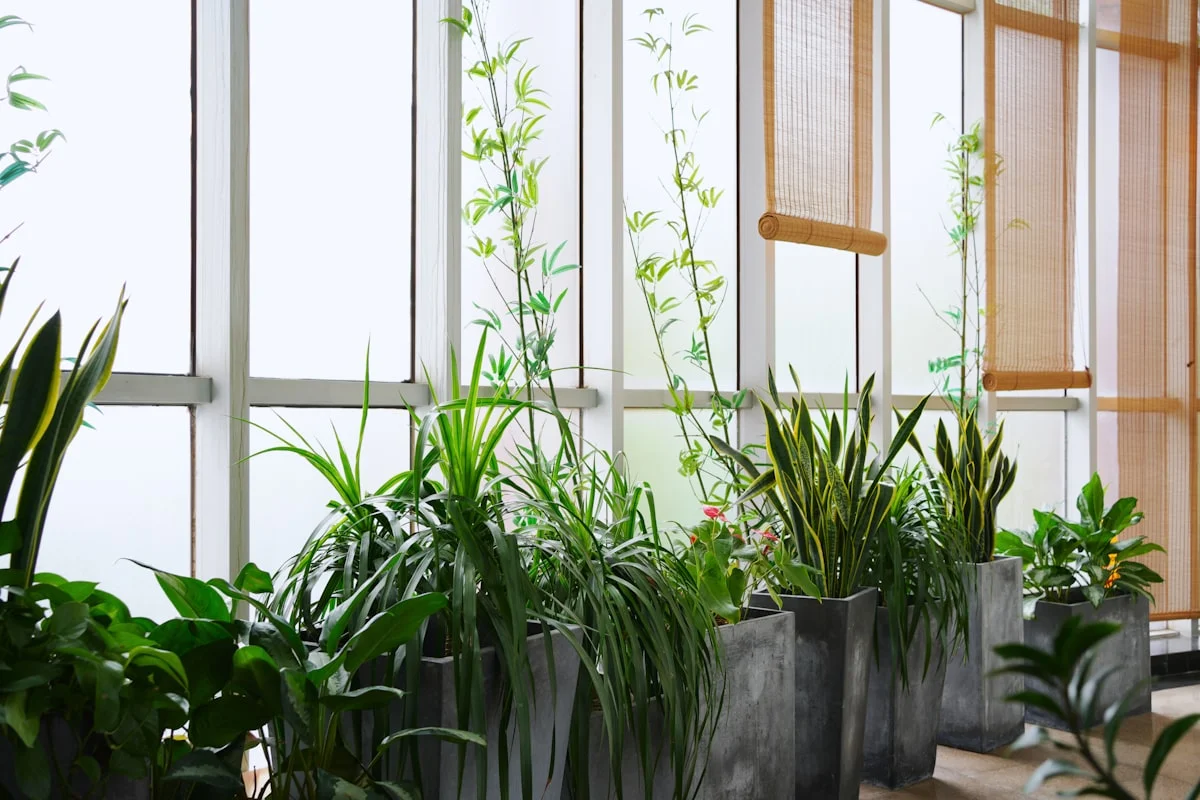
One of the most effective air-purifying plants is the Snake Plant (Sansevieria). Known for its resilience and striking upright leaves, this plant excels at filtering out formaldehyde, commonly found in cleaning products and adhesives. Unlike most plants, the Snake Plant releases oxygen at night, making it an excellent choice for bedrooms. Another powerhouse is the Peace Lily (Spathiphyllum), which not only removes toxins like benzene and ammonia but also adds a touch of elegance with its white blooms. This plant thrives in low-light conditions, making it ideal for offices and darker corners of the home.
The Spider Plant (Chlorophytum comosum) is another top contender for air purification. Its long, arching leaves and easy-care nature make it a favorite among beginners. Research shows that the Spider Plant effectively reduces carbon monoxide and xylene levels. For those looking for a larger statement plant, the Rubber Plant (Ficus elastica) is an excellent option. Its broad, glossy leaves absorb airborne toxins while adding a lush, tropical vibe to any room. These plants are not only functional but also enhance interior decor effortlessly.
How Air-Purifying Plants Work to Clean Your Indoor Environment
The science behind air-purifying indoor plants is fascinating. Through a process called phytoremediation, plants absorb harmful chemicals through their leaves and roots, breaking them down into harmless byproducts. Microorganisms in the soil also play a crucial role in neutralizing toxins. This natural filtration system is both efficient and sustainable, making plants a cost-effective alternative to electric air purifiers. In 2025, as sustainability becomes a priority, more homeowners are embracing this green solution.
Another key benefit of these plants is their ability to increase humidity levels. Many indoor environments suffer from dry air, especially during winter months when heating systems are running. Plants like the Areca Palm (Dypsis lutescens) release moisture into the air, reducing respiratory irritation and dry skin. Additionally, the presence of greenery has been linked to reduced stress levels and improved mental clarity, making air-purifying plants a holistic wellness tool.
Caring for Your Air-Purifying Indoor Plants
To maximize the benefits of your air-purifying indoor plants, proper care is essential. Most of these plants thrive in indirect sunlight and require moderate watering—overwatering is a common mistake that can lead to root rot. The Boston Fern (Nephrolepis exaltata), for example, prefers consistently moist soil and high humidity, making it perfect for bathrooms. On the other hand, the ZZ Plant (Zamioculcas zamiifolia) is drought-tolerant and can survive in low-light conditions, making it a low-maintenance choice for busy individuals.
Regularly dusting the leaves of your plants ensures they can efficiently absorb pollutants. A gentle wipe with a damp cloth or a light misting can keep them functioning at their best. Repotting every 1-2 years also promotes healthy growth, as fresh soil provides essential nutrients. By following these simple care tips, your air-purifying plants will thrive and continue to improve your home’s air quality for years to come.
The Future of Air-Purifying Indoor Plants in 2025 and Beyond
As awareness of indoor air quality grows, the demand for air-purifying indoor plants is expected to rise in 2025. Innovations in plant breeding may introduce new varieties with enhanced air-cleaning capabilities. Additionally, smart planters with built-in sensors could help monitor soil moisture, light levels, and air quality, making plant care even more accessible. Integrating greenery into urban living spaces will likely become a standard practice, supported by both environmental and health research.
Beyond their functional benefits, air-purifying plants contribute to biophilic design—a trend that emphasizes human connection with nature. Architects and interior designers are increasingly incorporating living walls and indoor gardens into homes and workplaces. This shift not only improves air quality but also fosters a sense of tranquility and productivity. In the coming years, we can expect even more creative ways to blend nature with modern living.
Final Thoughts on Choosing the Right Air-Purifying Plants
Selecting the best air-purifying indoor plants depends on your lifestyle, space, and aesthetic preferences. Whether you opt for the low-maintenance Snake Plant, the elegant Peace Lily, or the humidity-boosting Boston Fern, each plant offers unique benefits. By incorporating these natural air filters into your home, you can enjoy cleaner air, enhanced well-being, and a greener living environment in 2025 and beyond. Start small with one or two plants and gradually expand your indoor garden—your lungs (and your decor) will thank you.
Remember, the key to success with air-purifying plants is consistency in care. Even the hardiest plants need attention to thrive. With the right selection and maintenance, your home can become a sanctuary of fresh, toxin-free air, proving that nature truly is the best purifier.
A Correction About Plants and Clean Air
The original guide says NASA studies confirm that plants reduce pollutants such as formaldehyde and benzene in homes. That claim needs care. The NASA study from 1989 was done in sealed chambers, not in real rooms. Later research has found that houseplants do not clean indoor air in a meaningful way, as you would need hundreds of plants per room to match the effect. Plants still help in other ways: they add humidity, they look good, and caring for them can lift your mood. For clean air, open windows when you can and use a HEPA air purifier. Do not rely on plants alone to fix indoor air quality.
Pet Safety: Some Air-Purifying Plants Are Toxic to Pets
Be careful if you have cats or dogs. The ASPCA notes that snake plants, peace lilies, and rubber plants are toxic to pets if eaten. Snake plants can cause nausea and vomiting in cats and dogs. Peace lilies can cause mouth pain and drooling. Before you buy a plant, check the ASPCA’s list of toxic and non-toxic plants. Safe picks for pet owners include spider plants, Boston ferns, and areca palms. Keep toxic plants on high shelves or in rooms pets cannot enter.
Best Plant for Each Room
| Room | Best Plant | Why It Fits |
|---|---|---|
| Bedroom | Snake plant | Releases oxygen at night and needs little water |
| Living room | Rubber plant | Large, bold leaves and a striking look |
| Bathroom | Peace lily | Likes humidity and low light |
| Kitchen | Spider plant | Easy to care for and safe for pets |
| Office | Pothos | Grows fast and handles low light |
Match the plant to the room’s light and humidity. A plant in the wrong spot will struggle, no matter how well you care for it.
Real Benefits of Indoor Plants
Plants do not clean air the way the original guide claims, but they still help. Research suggests that caring for plants can reduce stress and lift mood. Plants add moisture to dry indoor air, which can ease dry skin and sore throats in winter. They also make a room look and feel better, which is a real benefit on its own. Choose plants you enjoy looking at, and care for them well.
Frequently Asked Questions
Do air-purifying plants really clean indoor air?
Not in a meaningful way. The NASA study was done in sealed chambers. Later research found you would need hundreds of plants per room to clean the air. Use a HEPA purifier for clean air.
What is the best air-purifying plant for a bedroom?
The snake plant is a good pick, as it releases oxygen at night and needs little water. Keep it away from pets, as it is toxic if eaten.
Are air-purifying plants safe for pets?
Some are not. The ASPCA notes that snake plants, peace lilies, and rubber plants are toxic to pets. Spider plants and Boston ferns are safe picks.
How often should I water indoor plants?
Check the soil with your finger about an inch deep before you water. Most plants need water only when the top inch of soil is dry.
What is the easiest air-purifying plant for beginners?
Snake plants and pothos are the easiest. They need little water, handle low light, and forgive mistakes.
Disclaimer: This guide gives general information only. Check the ASPCA list if you have pets, and use a HEPA purifier for clean air.
Last Updated: 6 November 2026